Island Snapdragon
Gambelia speciosa
Care
full sun, part shade
low
well-drained
1–3ft tall , 2–4ft wide
Apr-Jul · red, scarlet
Evergreen
Resistant
Friendly
Prized
Channel Islands of California
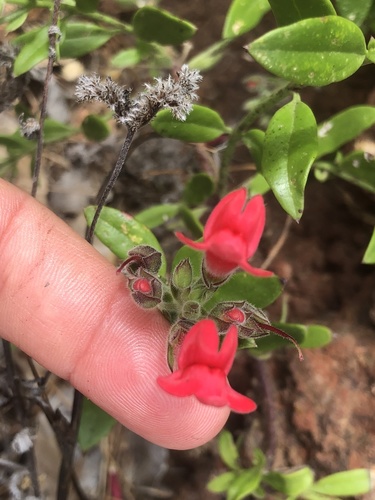
Bright red tubular snapdragon-like flowers on arching stems
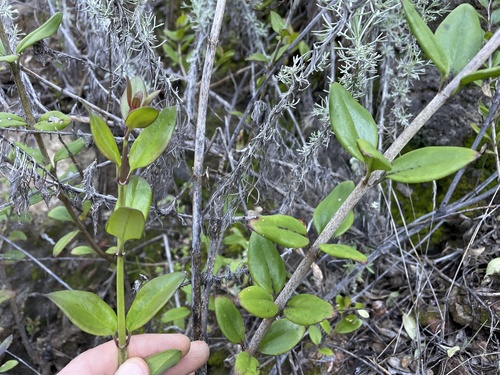
Excellent container or wall plant; trailing habit; long bloom
Care Guide
Planting
Plant your Island Snapdragon in full sun for maximum blooms, though part shade works too (especially if you're inland where it gets hot). It's not picky about soil - it tolerates a variety of types as long as drainage is good, so amend heavy clay with compost or plant on a slight slope. Space it with room to sprawl since it grows fast and can reach 3 feet tall. Plant in spring for best establishment.
After Planting
Water twice a month during summer once the plant is established, then back off - this is a low-water native that actually prefers dry conditions. The #1 mistake is overwatering; let the soil dry out between waterings and resist the urge to baby it. It's evergreen and will bloom nearly year-round under good conditions, and it's cold-hardy to 30°F, so Bay Area winters won't hurt it. Prune lightly after flowering if it gets leggy, but this easy grower doesn't demand much attention.
Wildlife Supported
Birds

Primary nectar source during Apr-Jul bloom; critical for breeding season energy demands

Spring migration staging and breeding season nectar; Apr-Jul blooms align with nesting period
Insects

Spring through early summer foraging during bloom period

Spring-summer bloom period; key pollinator and nectar forager

Spring-summer adult nectar source during bloom period

Apr-Jul foraging during peak bloom; supports colony growth season

Spring-summer pollen and nectar collection during bloom

Hosts herbivorous prey insects during spring-summer; indirect support

Late spring through summer foraging; secondary pollen source
Mammals

Post-bloom seed dispersal and consumption; caches seeds for overwinter use