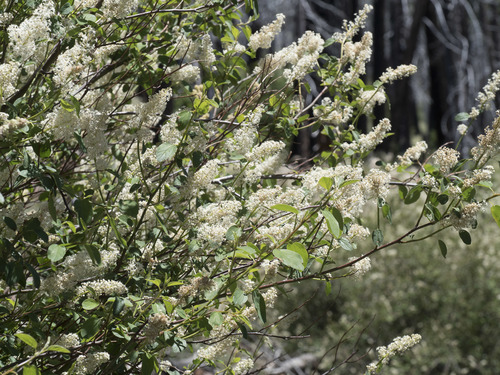
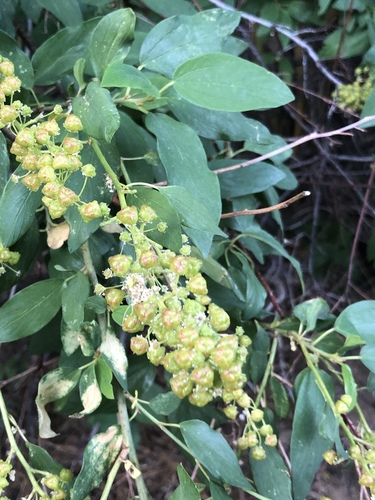
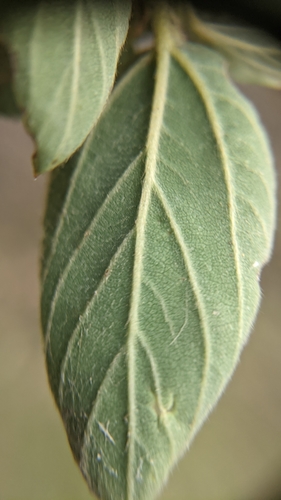
Deerbrush
Ceanothus integerrimus
Care
full sun
very low
Fast, Medium, Slow; Tolerates decomposed granite or clay.
3–13ft tall , 7–7ft wide
Jan-Dec
Deciduous
Yes
Prized
Supports up to 120 butterfly and moth species in Mediterranean California
Chaparral and oak woodland throughout the Sierra Nevada foothills and coastal ranges of California, 1000-4000 ft elevation
Care Guide
Planting
Plant deerbrush in full sun with fast-draining soil - it tolerates decomposed granite or clay, but drainage is critical. Space it where it has room to reach 3-13 feet tall depending on variety. The best location mimics its natural habitat: open, sunny areas or in the dappled shade of conifers or oaks. Plant in fall or early winter to let roots establish before summer heat arrives.
After Planting
Water weekly for the first summer, then taper to no more than twice monthly once established - this is a drought-adapted shrub that rots with excess water, so that's the #1 mistake to avoid. After year one, you should rarely need to irrigate. The plant may be deciduous, semi-deciduous, or evergreen depending on variety, so don't panic if it drops leaves; just let it do its thing. Deerbrush fixes its own nitrogen, so skip the fertilizer.
Endangered & Threatened Species Supported
California Species of Special Concern
California Species of Special Concern; population fluctuations noted
Wildlife Supported
Insects

Caterpillars feed on new spring foliage; pupate in early summer

Caterpillar development on spring foliage; adults emerge in late spring

Early spring defoliation; one of primary host plants in California chaparral

Early-season caterpillar host plant in California foothills

Specialist pollen bee visiting Ceanothus flowers in spring

Spring foraging on flower clusters during colony establishment

Parasitic plant with specialized Lepidoptera fauna

Spring pollen collection from flower clusters
+7 more species