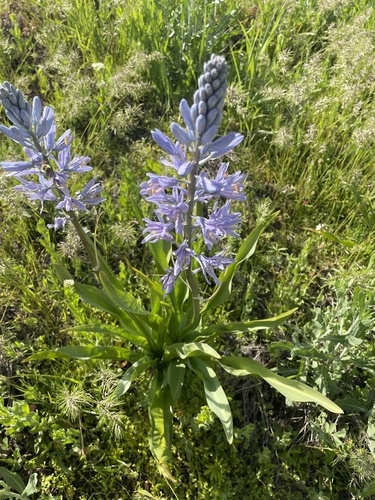
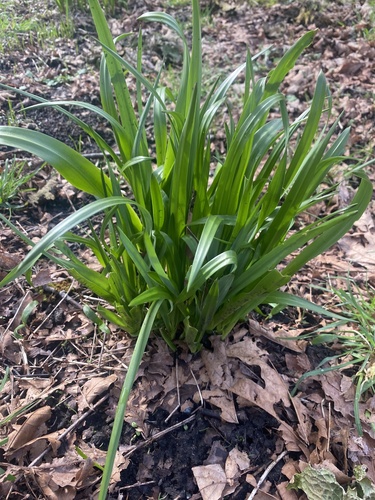
Great Camas
Camassia leichtlinii ssp. suksdorfii
Care
part shade
Friendly
Yes
Prized
Bulbs eaten roasted, boiled, or dried; traditional Indigenous staple food
Wet meadows and grassland in the North Coast Ranges and Sierra Nevada of northern California, 500-5000 ft elevation, extending to Oregon and Washington
Care Guide
Planting
Plant Great Camas in partial shade where it naturally thrives in the Bay Area's cooler elevations. The data doesn't specify soil type or drainage requirements, so consult with a local native plant nursery about your specific garden conditions before planting.
After Planting
After planting, establish your camas with consistent moisture during the growing season, though specific watering schedules aren't documented in available resources. Since this is a native perennial herb, it will likely go dormant in summer - this is normal behavior, not a sign of failure.
Endangered & Threatened Species Supported
California Threatened; Species of Special Concern
Wildlife Supported
Insects

Spring emergence and reproductive season foraging

Early season foraging as queen establishes colony
Native spring bee pollinator during camas blooming

Primary spring nectar source for colony establishment
Fungal disease pathogen relationship

Spring foraging for colony food stores

Early-season forage during colony growth phase

Early spring forage for native bee populations
+4 more species