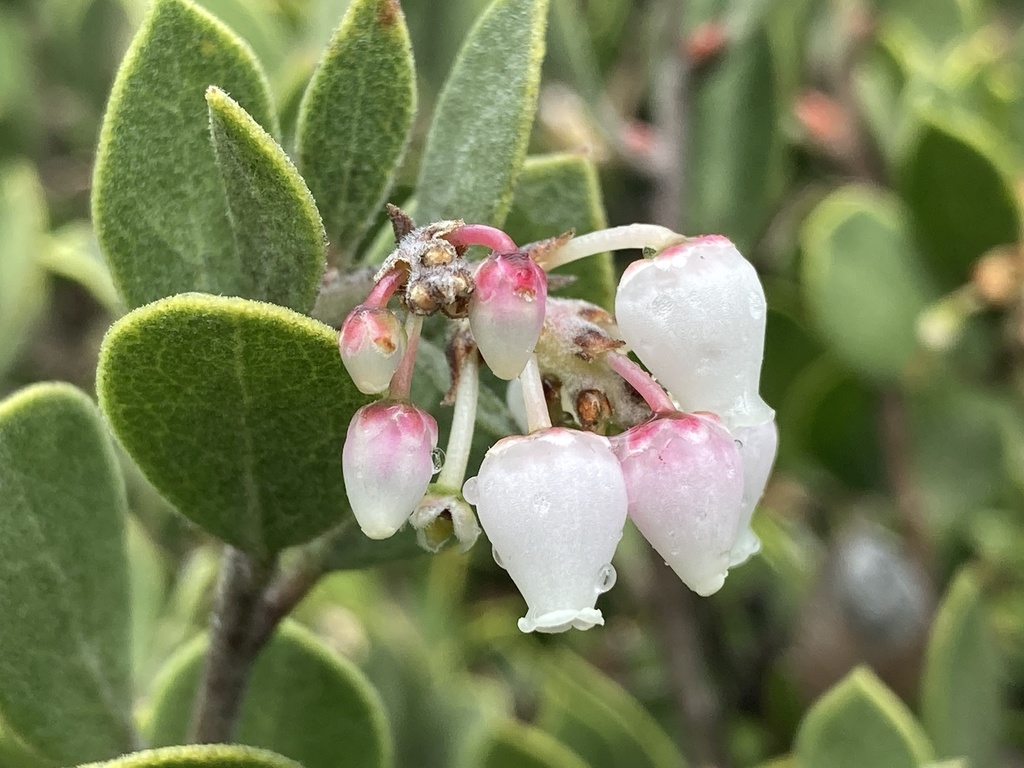
Mt. Tamalpais Manzanita
Arctostaphylos montana ssp. montana
Care
Evergreen
Resistant
Prized
Berries eaten fresh or made into cider; traditional Indigenous use
Supports up to 68 butterfly and moth species in Mediterranean California
Chaparral and coastal scrub on Mt. Tamalpais and surrounding Marin County hills, 500-2500 ft elevation
Care Guide
Planting
Plant your Mt. Tamalpais Manzanita in a location that receives full sun, as this native shrub thrives in bright conditions. Ensure the soil drains well - manzanitas are sensitive to soggy roots and will struggle in poorly draining soil. Space plants according to their mature size, which you'll want to confirm with your nursery since the exact dimensions aren't specified here. Plant in fall or winter when the plant can establish roots before the heat of summer.
After Planting
Water regularly during the first growing season to help your manzanita establish, then gradually reduce watering as the plant matures and becomes drought-tolerant. Avoid the common mistake of overwatering once established - this is a California native that prefers dry conditions and can develop root rot with excessive moisture. Pruning specifics aren't detailed in the available data, so check with a local native plant nursery or the California Native Plant Society for guidance on shaping and maintenance.
Visit Calscape for more information about Mt. Tamalpais Manzanita
Endangered & Threatened Species Supported
California Species of Special Concern; population fluctuations noted
Wildlife Supported
Insects
Specialist gall former; obligate relationship with Arctostaphylos
Early season pollen forager
Spring pollen and nectar source for queen establishment
Phloem feeder on stems and foliage; overwintering host
Emergence and early season feeding
Early season pollen source
Spring migration and breeding season fuel
Mammals
Winter bark and foliage browsing during snow cover
Reptiles
Uses dense manzanita scrub for cover and thermoregulation