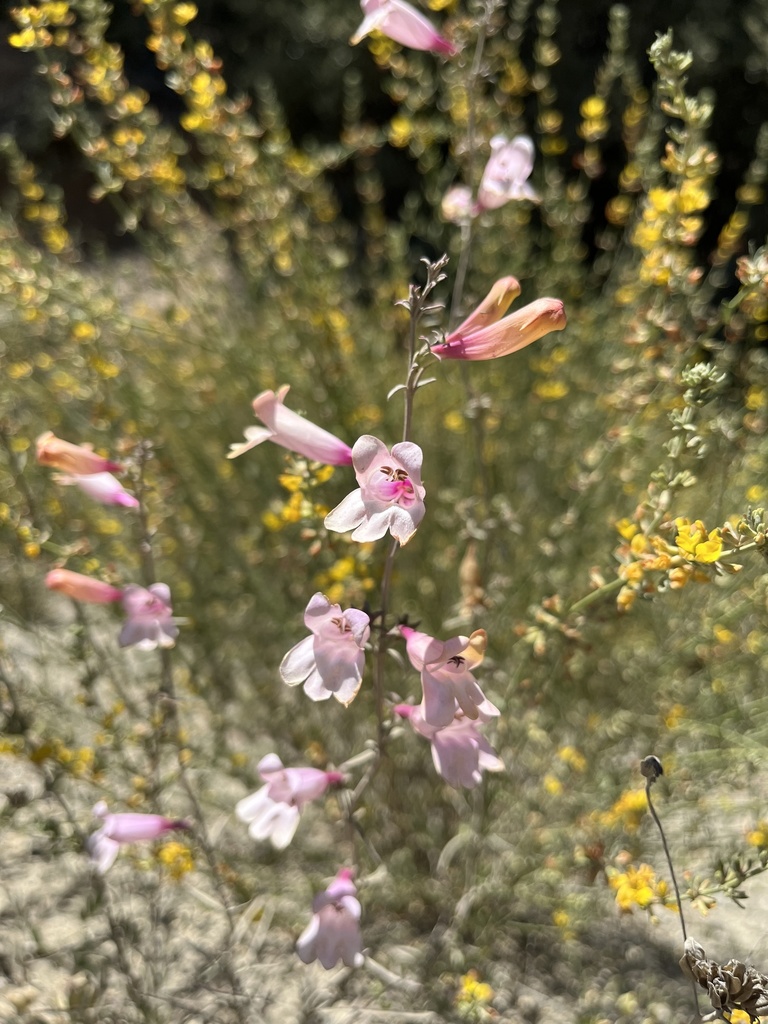
Foothill Penstemon
Penstemon heterophyllus
Care
full sun
very low
well-drained; tolerates poor rocky soil
1–2ft tall , 1–2ft wide
Apr-Jul · blue, violet, pink
Evergreen
Resistant
Friendly
Prized
California foothills from Lake County to San Diego
Spikes of tubular blue to violet flowers with contrasting stamens
'Margarita BOP' is outstanding cultivar with electric blue flowers
Care Guide
Planting
Plant your Foothill Penstemon in full sun in a location with fast-draining soil - this is non-negotiable, as poor drainage will kill it even though it tolerates a variety of soil types. Spring through early summer is ideal for planting in the Bay Area. Space plants according to their mature size: standard varieties can reach 3 feet tall, while compact cultivars like 'Electric Blue' or 'Blue Springs' stay 12–18 inches, so plan accordingly for your garden spot.
After Planting
Water weekly during your plant's first summer to establish it, then drastically reduce watering once established - aim for just 3 times per month or less during summer. Deadhead spent flower stalks regularly from May through June to keep blooms coming, and don't be alarmed if stems become woody at the base as the plant matures. The #1 mistake is overwatering once established; this is a low-water plant that thrives on neglect, so err on the side of dry rather than wet.
Visit Calscape for more information about Foothill Penstemon
Endangered & Threatened Species Supported
California Species of Special Concern
Wildlife Supported
Birds
Primary nectar source during spring migration and breeding (Apr-Jun)
Early spring blooms (Apr-May) provide critical nectar during breeding season and territory establishment
Insects
Spring and early summer forager; important pollinator throughout bloom season
Larval host plant; caterpillars feed on foliage in spring
Specialist forager on Penstemon species; spring-summer activity
Forages on pollen and nectar Apr-Jul during extended bloom period
Nectar forager during blooming period
Larval host plant; supports multiple generations Apr-Jul in California
Forages on nectar and pollen throughout bloom season
Adult feeds on nectar and pollen; larvae are aphid predators beneficial to plant ecosystem
+3 more species