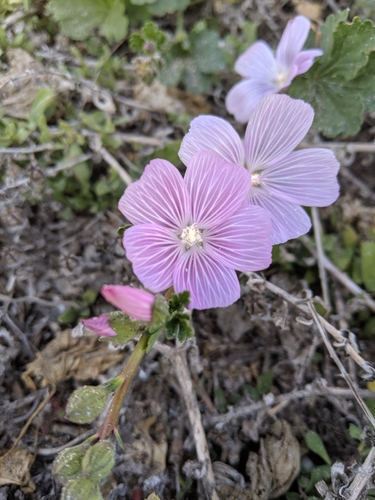
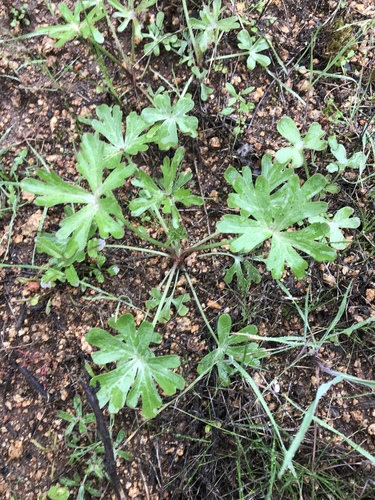
Checker Bloom
Sidalcea malviflora
Care
full sun, part shade
low
well-drained to moist; tolerates clay
1–3ft tall , 1–2ft wide
Mar-Jun · pink, magenta
Deciduous
Resistant
Friendly
Prized
California and Oregon coastal grasslands and openings
Spikes of hollyhock-like pink flowers
Native hollyhock relative; lovely in meadow or border plantings
Care Guide
Planting
Plant Checker Bloom in full sun in a location with well-drained to moist soil - it's remarkably flexible and tolerates clay, sandy, and even serpentine soils. Plant in fall or early winter to take advantage of the damp season this California native prefers. Space plants 1–2 feet apart; this plant can work as a groundcover if you're planting multiples. It tolerates cold down to 0–10°F, so it's well-suited to Bay Area winters.
After Planting
Water regularly during the first growing season to establish the plant, then shift to the summer dry schedule it evolved for: once established, water no more than once a month in summer, or let rainfall handle it entirely. Expect the plant to die back in winter - this is normal deciduous behavior, not a sign of failure. The #1 mistake is overwatering in summer; Checker Bloom comes from dry meadows and will rot if kept consistently wet. Note that it sometimes behaves like an annual, so if your plant doesn't return, you can simply reseed.
Endangered & Threatened Species Supported
Vandyk's bumblebee; California state endangered; species of special concern
Wildlife Supported
Insects

Peak foraging Mar-Jun during bloom season; specialist pollinator

Specialist bee visiting during bloom Mar-Jun

Spring foraging for female provisioning Mar-Jun

Early spring blooms coincide with queen emergence and colony founding

Spring bloom provides early nectar sources for hive establishment

Spring-early summer foraging during bloom period

Early spring specialist, synchronizes with bloom period

Larval host plant, synchronous with spring blooms
+6 more species