← Back to results

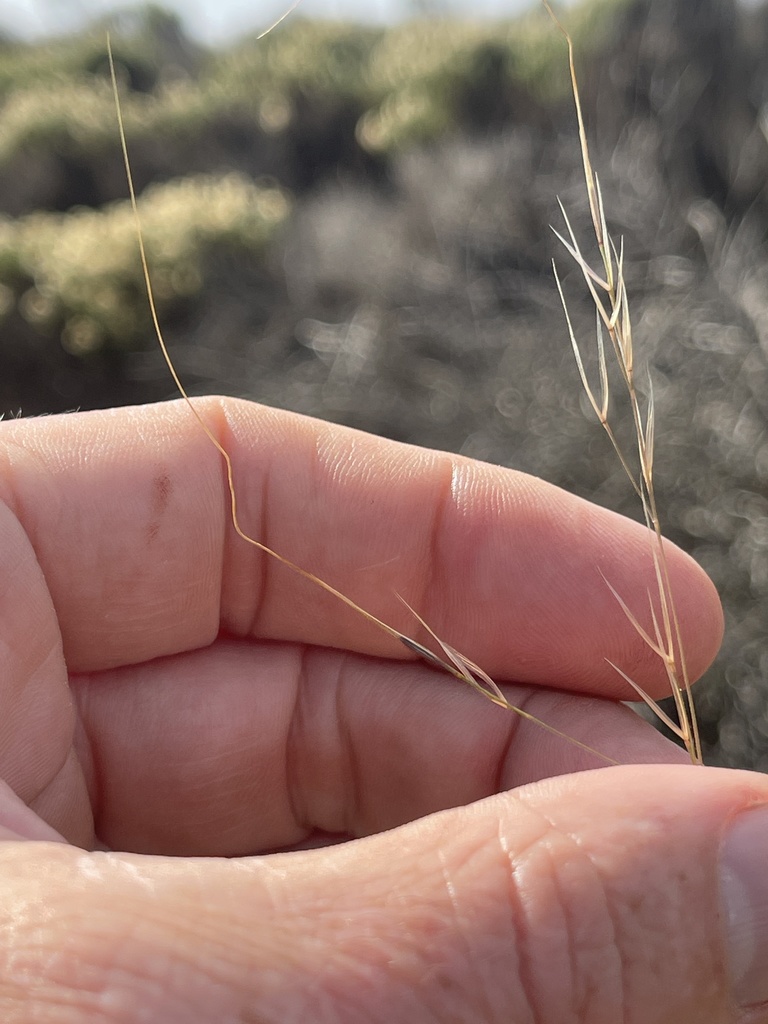
Nodding Needlegrass*

Stipa cernua

Care

Sun

full sun, part shade

Water

very low

Soil

Medium; Tolerates a variety of soils.

Size

2–3ft tall , 2–2ft wide

Bloom

Mar-Aug

Foliage

Deciduous

Deer

Resistant

Container

Friendly

Native Range

Grasslands and chaparral in the Sierra Nevada and interior foothills, typically at 1,000-5,000 ft elevation, extending to Oregon

Care Guide

Planting

Plant Nodding Needlegrass in full sun in a location with well-draining soil - it tolerates a variety of soil types but needs good drainage to thrive. Spring is the ideal planting time to take advantage of the plant's active growth period. Space plants in small patches between chaparral or sage scrub species, or mix with perennial herbs and annuals for the best garden effect.

After Planting

Water weekly during your first summer to establish the plant, then taper off to a maximum of twice monthly once established - this is a very low water plant that expects dry conditions. In year one, expect deciduous foliage to die back seasonally as the plant acclimates; this is normal. The biggest mistake Bay Area gardeners make is overwatering: treat this native grass like the drought-tolerant plant it is, and it will reward you with fast growth and years of trouble-free performance.

Visit Calscape for more information about Nodding Needlegrass*

Endangered & Threatened Species Supported

Heermann's Kangaroo Rat Dipodomys heermanni
Federal: Endangered, CA: Endangered

California endemic kangaroo rat

Bell's sparrow Artemisiospiza belli
CA: Threatened, CA Special Concern

California Threatened; Species of Special Concern

Wildlife Supported

Birds

Seeds · Year-Round

important seed resource in coastal sage scrub and grassland habitats

Seeds · Year-Round

primary seed diet for resident and wintering populations in grasslands

Seeds · Fall

critical fall migration fuel source Sep-Nov during passage through California

Seeds · Fall

significant seed source during autumn and winter months

Mammals

Seeds · Year-Round

primary dietary component, seeds cached for winter use

Seeds · Fall

seed collection and storage during autumn months

Foliage · Year-Round

grazing herbivore utilizing grass foliage as part of diet

Where to Buy

East Bay Wilds

2110 Eighth St, Suite 202, Berkeley

Fri 9:30am-4pm (occasional Sat, call ahead)

1.5 mi (510) 409-5858 Website
Native Here Nursery

101 Golf Course Dr, Tilden Regional Park, Berkeley

Sat 10am-2pm

3.0 mi (510) 549-0211 Website
Curious Flora

12040 San Pablo Ave, Richmond

Daily 9am-4pm

7.0 mi (510) 215-3301 Website