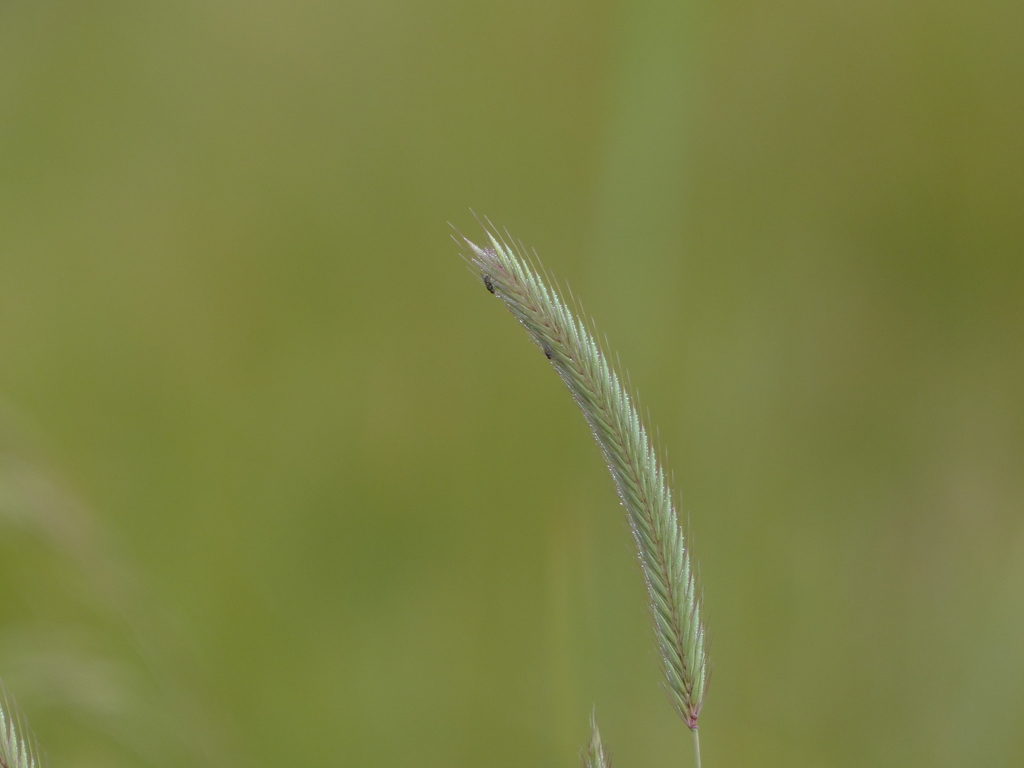
California Barley

Hordeum brachyantherum subsp. brachyantherum

Care
Sun

full sun

Water

very low

Soil

Fast, Medium, Slow; Tolerant of a variety of garden soils as long as sufficient moisture is available. Tolerates saline soil..

Size

2–3ft tall

Bloom

Jun-Aug

Foliage

Deciduous

Deer

Resistant

Container

Friendly

Edible

Seeds harvested and ground for flour; traditional grain

Native Range

Marshes, wet meadows, and riparian areas throughout California from sea level to 10,000 ft elevation, extending to British Columbia and Mexico

Care Guide

Planting

Plant California Barley in full sun in a location with well-draining soil - it tolerates fast, medium, or slow drainage as long as moisture is adequate. This grass thrives in a variety of garden soils and even tolerates saline conditions, making it flexible for most Bay Area gardens. Plant in fall or early spring to establish before summer heat. Space plants about 2–3 feet apart to accommodate their mature height of 2–3 feet.

After Planting

Water weekly during your first summer to establish a strong root system, then taper to just twice monthly or less once established. In year two and beyond, this is an extremely low-maintenance plant that needs virtually no supplemental water beyond normal Bay Area rainfall - you may not need to water it at all during the wet season. Cut back dead growth in late winter before new spring growth emerges. The #1 mistake is overwatering; this native grass evolved for dry conditions, so err on the side of dry rather than wet.

Visit Calscape for more information about California Barley

Endangered & Threatened Species Supported
California Grizzly BearUrsus arctos

Northern Rockies and Central Idaho populations listed

Federal: Endangered
Wildlife Supported

Birds

Seeds · Winter

Winter food source Dec-Feb in grassland habitats

Seeds · Fall

Post-breeding dispersal and migration staging Sep-Oct; seeds critical for energy reserves

Seeds · Fall

Fall and winter seed foraging Sep-Mar

Insects

Larval Host · Year-Round

Systemic infection; spores overwinter in seed

Mammals

Seeds · Summer

Historical food source during Jun-Aug seed maturation; now extirpated from California

Where to Buy
Native Here Nursery

101 Golf Course Dr, Tilden Regional Park, Berkeley

Sat 10am-2pm

3.0 mi(510) 549-0211WebsiteDirections