Monkeyflower (Scarlet)
Erythranthe cardinalis
Care
part shade
regular
moist, rich; near water
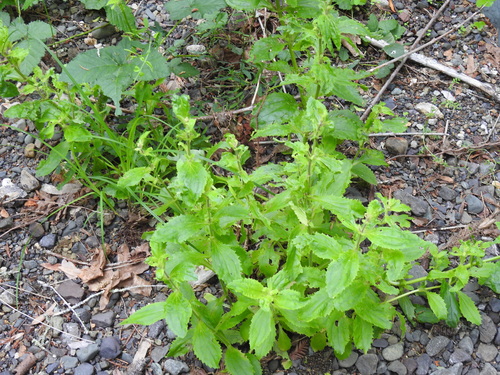
1–3ft tall , 1–2ft wide
Apr-Oct · scarlet red
Semi-Deciduous
Resistant
Friendly
Prized
California and Oregon in moist habitats near streams
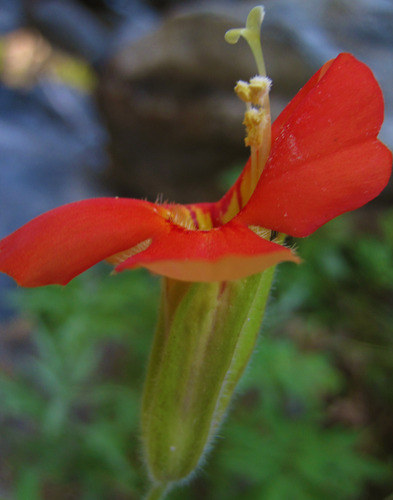
Large tubular scarlet red flowers with a 'monkey face' pattern
Needs consistent moisture; great near water features; long bloom season
Care Guide
Planting
Plant your scarlet monkeyflower in part shade, though it can tolerate full sun - just know it prefers afternoon shade in the Bay Area heat. It thrives in moist soil and actually tolerates a range of drainage conditions (sandy, clay, or even slow-draining soil), so don't stress about amending heavily; the key is keeping moisture consistent, especially near water features or in naturally wet areas of your garden. Space plants 1–2 feet apart since they spread and can reach 1–3 feet tall. Plant in spring for best establishment.
After Planting
Keep the soil moist through your first summer after planting; weekly watering is typically needed during establishment, but adjust based on rainfall and your specific soil type. Once established, you can back off slightly, but this is a plant that wants consistent moisture - it's not drought-tolerant, so don't let it fully dry out. The biggest mistake people make is treating it like a Mediterranean plant and letting it dry between waterings; remember it's a wetland native. Expect blooms from April through October, and the plant is semi-deciduous, so some leaf drop in winter is normal.
Visit Calscape for more information about Monkeyflower (Scarlet)
Endangered & Threatened Species Supported
Federal Threatened; California Endangered; Species of Special Concern
Wildlife Supported
Birds

Primary nectar source Apr-Oct bloom; critical winter resident energy source in coastal CA
Bloom period Apr-Oct supports multiple hummingbird species during breeding and migration
Insects

Moth larvae feed on foliage; multiple generations during growing season

Regional specialist butterfly; forages on scarlet monkeyflowers in riparian zones

Adult nectar foraging during warm months; multi-generational broods use as food source

Adult butterfly foraging during bloom season; important nectar resource

Larval host plant; supports cutworm populations in riparian habitats

Nocturnal nectar feeder; long proboscis accesses tubular flowers during bloom