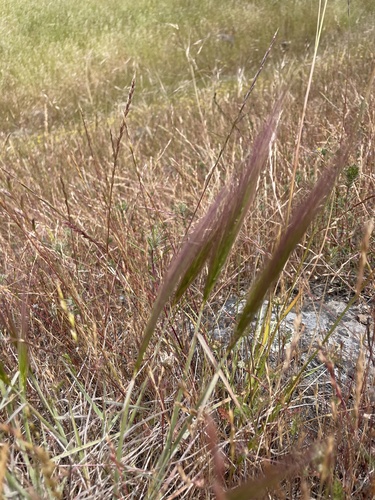
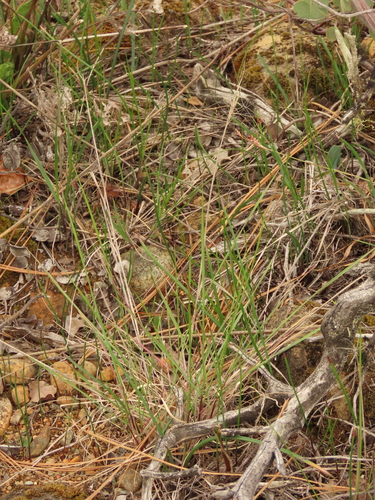
Big Squirreltail
Elymus multisetus
Care
full sun
very low
Fast; . Tolerates serpentine soil..
2–2ft tall , 1–2ft wide
Deciduous
Resistant
Friendly
Grasslands and shrublands in interior California and the Sierra Nevada, typically at 1,000-7,000 ft elevation
Care Guide
Planting
Plant Big Squirreltail in full sun and fast-draining soil - it's even tolerant of serpentine soil if that's what you're working with in your Bay Area garden. Since this is a perennial grass native to the western U.S., plant it in fall or early spring when soil moisture is naturally higher. The plant reaches about 2 feet tall, so give it room to spread without crowding.
After Planting
Big Squirreltail is extremely drought-tolerant once established, requiring only very low water - think of it as a set-it-and-forget-it plant once it's settled in. This is a deciduous grass, so expect it to die back seasonally; resist the urge to water it during dormancy. The biggest mistake Bay Area gardeners make is overwatering: if your soil drains fast and you've planted in full sun, your new squirreltail will thrive on rainfall alone after the first season.
Endangered & Threatened Species Supported
California Threatened; Species of Special Concern
Wildlife Supported
Birds

Primary seed forager in coastal sage scrub and grassland habitats where Elymus occurs

Staple seed food resource; important for winter survival and breeding season

Important seed resource during fall migration and winter; primary forage in chaparral and grassland
Insects

Larvae feed on Elymus species in spring; critical early season host plant

Fungal pathogen; overwinters on host tissue

Fungal pathogen affects seed heads and tillers

Fungal infection common in spring; reduces plant vigor
Mammals

Spring growth provides nutritious forage when other vegetation is limited