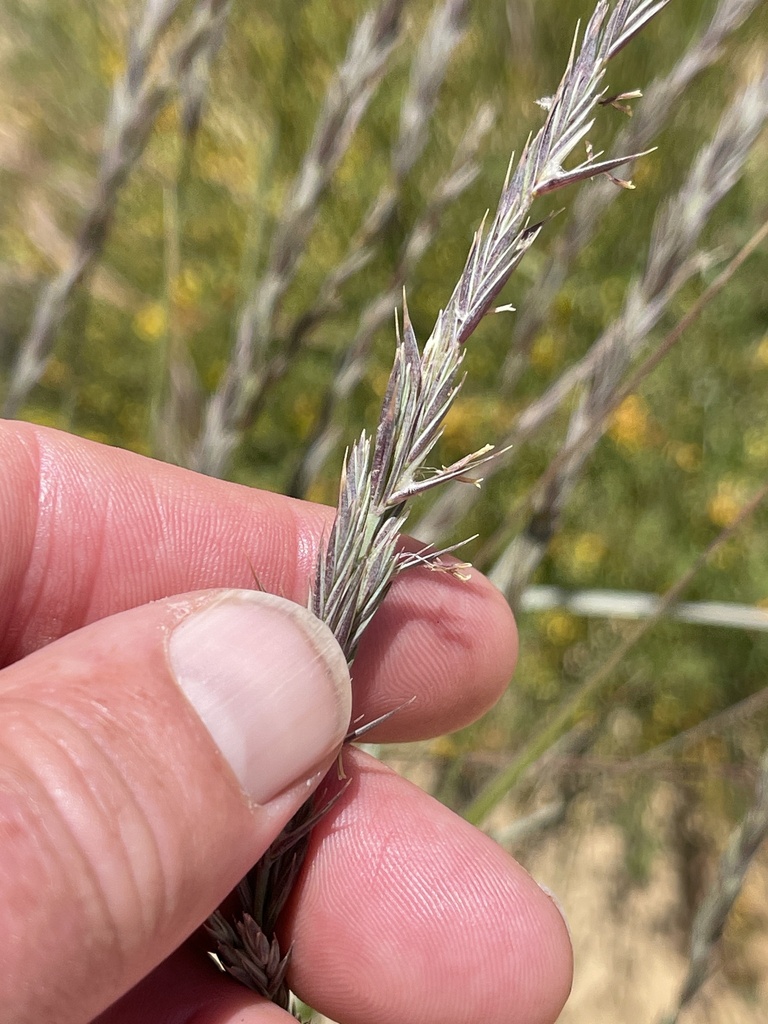
Giant Wildrye*
Elymus condensatus
Care
full sun
very low
Fast, Medium, Slow; Tolerant of sand and clay. Tolerates serpentine soil..
3–6ft tall , 2–8ft wide
Evergreen
Resistant
Seeds ground into flour; traditional food source
Riparian areas, coastal scrub, and disturbed sites throughout California, particularly in interior and coastal regions
Care Guide
Planting
Plant Giant Wildrye in full sun in fall or winter for best establishment. It tolerates a wide range of soil conditions - sand, clay, and even serpentine soil all work fine - as long as drainage is decent (fast, medium, or slow drainage are all acceptable). Space plants 2–3 feet apart if you're creating a lawn alternative, since they spread slowly by rhizomes and won't fill in quickly. This evergreen grass needs no special soil prep and thrives in Bay Area conditions without amendment.
After Planting
Water weekly during your first summer to establish, then cut back to once monthly or less once established - by year two, you're basically done watering except during severe droughts. Never prune; let this grass grow naturally to its 3–6 foot height and enjoy its distinctive silver-blue color year-round. The #1 mistake is overwatering: this is a drought-tolerant native that rots in soggy soil, so err on the dry side and let it do its thing.
Wildlife Supported
Birds
migration staging and overwintering seed resource; critical for winter survival in California
Insects
pathogenic relationship; infection cycle peaks in cool, wet conditions
obligate pathogen; infections more prevalent in dry conditions with cool nights
parasitoid of grass stem-boring insects; multiple generations per season
systemic fungal pathogen; resting spores persist in soil and plant tissue
Mammals
tall bunch grass provides denning sites and cover