Coral Bells (Island Alumroot)
Heuchera maxima
Care
part shade, full shade
low
well-drained; tolerates some clay
1–2ft tall , 1–2ft wide
Mar-May · white, pink
Evergreen
Resistant
Friendly
Prized
Channel Islands of California
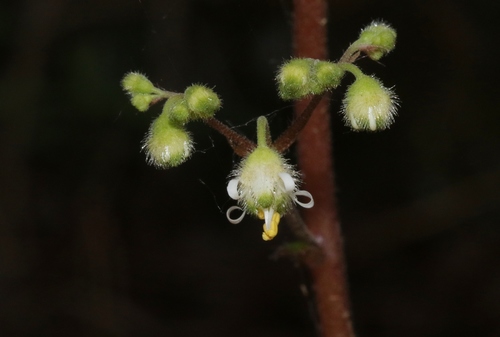
Airy sprays of tiny white to pink bells on tall stems
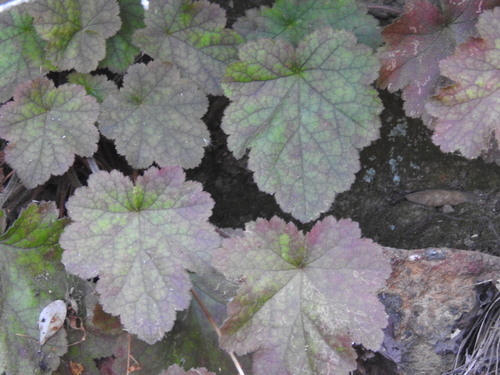
Excellent shade garden plant; more robust than mainland species
Care Guide
Planting
Plant Island Alum Root in fall or early spring in a spot with good drainage - it prefers sandy or rocky soil and won't tolerate heavy, wet soil. In coastal Bay Area gardens, it thrives in full sun to part shade; if you're inland, give it part shade to full shade and plan on extra water during summer. Space plants 12–18 inches apart if creating a groundcover, and amend clay-heavy soil with sand or gravel to improve drainage since this is the plant's top requirement.
After Planting
Water weekly for the first summer to establish the plant, then taper to no more than 3 times per month once established. This is a low-water plant once settled in, but inland gardens may need slightly more frequent watering during hot months. The #1 mistake is overwatering or planting in poorly draining soil - this plant comes from Channel Island cliffs and will rot if its roots stay wet. Expect delicate white-pink flowers in winter through spring; no special pruning is needed.
Visit Calscape for more information about Coral Bells (Island Alumroot)
Wildlife Supported
Birds

Primary nectar source during early spring breeding season (Mar-May), supports pair formation and nesting

Critical spring migration fuel source Mar-May for northbound movement to breeding grounds
Insects

Spring nectar and pollen source for colony establishment and worker production

Early spring foraging for establishing colonies and queen nutrition (Mar-May)

Spring foraging for adult nutrition, larval host plant for aphid predation

Early spring pollen and nectar source for colony build-up after winter dormancy

Spring pollen and nectar source; larvae feed on aphids on plant foliage