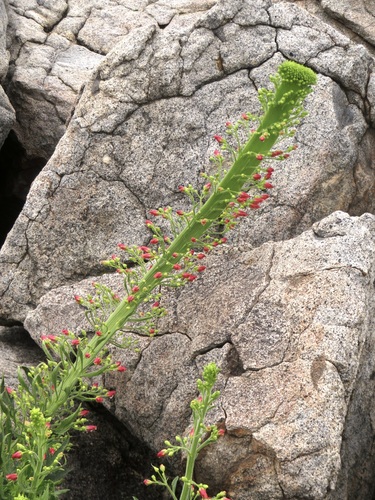
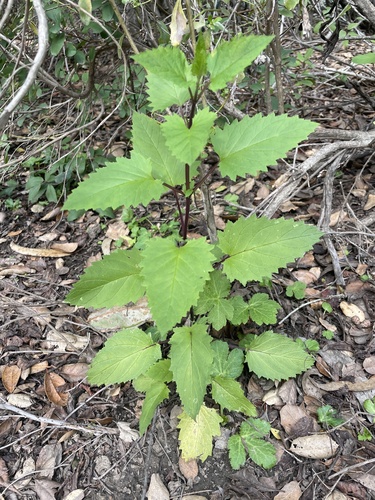
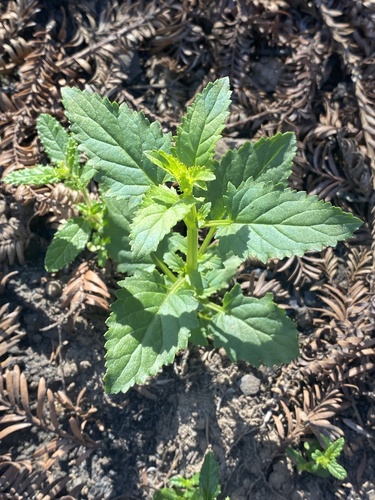
California Figwort
Scrophularia californica
Care
part shade
low
Fast, Medium; Adaptable to garden soils.
2–4ft tall , 1–3ft wide
Jan-Dec
Evergreen
Resistant
Friendly
Chaparral, oak woodlands, and riparian areas of coastal and interior California from northern regions to San Diego County, below 4500 ft elevation.
Care Guide
Planting
Plant California figwort in partial shade with fast or medium-draining soil - it's adaptable to most garden soils, so don't overthink the amendments. Choose a spot in the back of a border where its 2–4 foot height won't shade shorter plants, and where you can enjoy those tiny red flowers backlit by the sun. Plant in fall or winter when the soil is moist, spacing plants about 2–3 feet apart if you want them to fill in over time.
After Planting
Water weekly during your first summer to establish the plant, then cut back to just twice a month once it's established - this is a low-water plant that prefers drier conditions in year two and beyond. Prune as needed to maintain shape and remove dead stems, and don't be alarmed if it looks sparse when not in bloom; the wedge-shaped leaves are the main show between flowering seasons. The #1 mistake people make is watering too much, which can rot the roots - once established, treat it like you'd treat a California native and let summer rains do the heavy lifting.
Visit Calscape for more information about California Figwort
Endangered & Threatened Species Supported
California Species of Special Concern
Wildlife Supported
Insects

Larval hostplant; caterpillars feed on foliage Apr-May; adult nectar source

Spring through early summer (Mar-Jun); hosts larvae on plant tissue

Early spring forager (Mar-May); critical pollen source for colony establishment

Larval hostplant for multiple broods (Mar-Oct); larvae feed on foliage

Spring (Mar-May); supplemental pollen diet; larvae and adults hunt aphids on plant

Larval hostplant; caterpillars feed on foliage and developing flowers Apr-Jun

Spring-summer (Apr-Aug); nectar source; foundresses forage for colony

Spring foraging (Mar-May); specialist pollen collector for larval provisions
+3 more species
Birds

Spring breeding season arrival Feb-May; important early nectar source for breeding females

Year-round resident in California; critical early season nectar source Feb-Apr when few flowers bloom