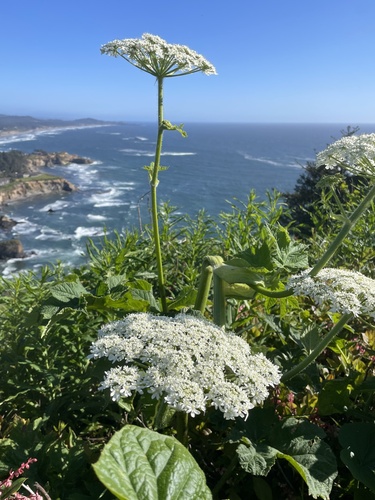
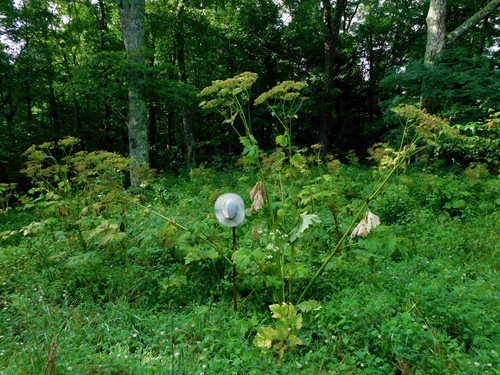
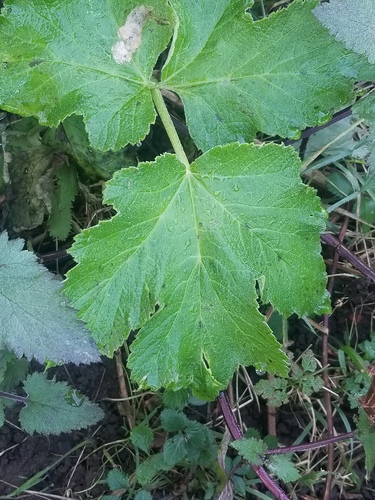
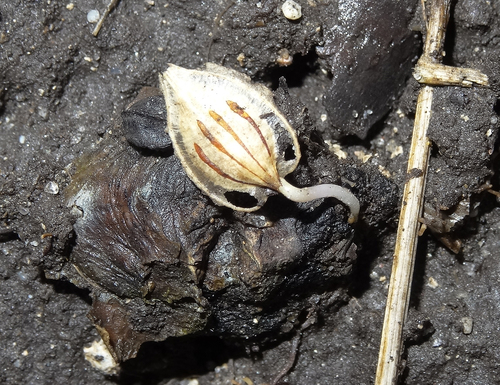
American Cow-parsnip
Heracleum maximum
Care
part shade
low
Fast, Medium, Slow; Tolerant of a variety of soils as long as sufficient moisture is provided.
4–8ft tall
Jun-Aug
Resistant
Young petioles and stems raw or cooked; traditional Indigenous use
Riparian areas throughout California from the coastal regions to the Sierra Nevada, between sea level and 6000 ft elevation, extending north to British Columbia and east to the Rocky Mountains.
Care Guide
Planting
Plant your Cow-parsnip in partial shade in a location with fast, medium, or slow-draining soil - this plant is tolerant of a variety of soils as long as you provide sufficient moisture. The best time to plant is in fall or early spring to give it time to establish before summer. Space plants according to their mature size of 4–8 feet tall, keeping in mind they can spread and may self-seed.
After Planting
Water weekly through your first summer to keep the soil consistently moist, then gradually reduce watering frequency as the plant becomes established - Cow-parsnip needs low water once settled in. It flowers summer through August with no special pruning required. Be aware that chemicals in the plant can cause dermatitis in some people, so wear gloves when handling, and note that it may self-seed prolifically, so deadhead spent flowers if you want to prevent volunteer seedlings.
Visit Calscape for more information about American Cow-parsnip
Endangered & Threatened Species Supported
California Species of Special Concern; monarch populations declining
California Species of Special Concern
Wildlife Supported
Insects

Caterpillars use Heracleum as primary host plant; 2-3 generations Mar-Oct

Caterpillars feed on plant foliage; multiple generations Apr-Sep in California

Important nectar source for migration fuel; used during spring northward migration Mar-May

Adult nectar visitor; active Jun-Sep in California

Early season nectar source; flight period Apr-Jun

Adult nectar source; flight period Jun-Aug in California

Adult nectar source; flight period Jun-Sep

Caterpillars feed on umbelliferous plants; generations May-Aug