← Back to results

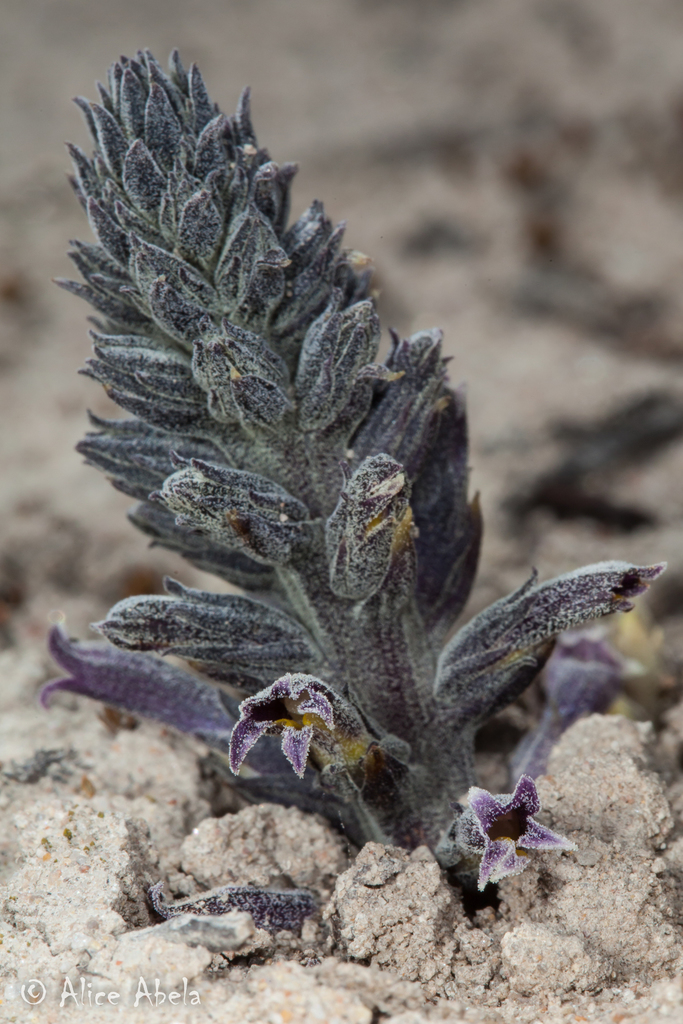
Desert Gold Parsnip*

Aphyllon tuberosum

perennial herb View on Calscape

Care

Sun

full sun

Size

1–1ft tall

Container

Friendly

Native Range

Southeastern California in Inyo and Mono counties, 4000-8000 ft elevation, in desert scrub and sagebrush

Care Guide

Planting

Plant Desert Gold Parsnip in full sun in a location where it can access the roots of established shrubs - chamise is its preferred host plant in nature. This parasitic plant is native to California chaparral and thrives in the Bay Area's dry, warm microclimates. Space it near compatible host shrubs and plant in fall or winter to establish before summer heat.

After Planting

The biggest mistake is trying to grow this plant as a standalone specimen. Desert Gold Parsnip depends entirely on parasitizing nearby shrub roots for survival, so it will not thrive in isolation or in pots. Once established near an appropriate host plant in full sun, this species is extremely drought-tolerant and requires minimal intervention - water only during establishment and then allow it to rely on its host plant.

Visit Calscape for more information about Desert Gold Parsnip*

Endangered & Threatened Species Supported

Brush Rabbit Sylvilagus bachmani
CA Special Concern

Brush rabbit is a Species of Special Concern

Wildlife Supported

Mammals

Foliage · Year-Round

Omnivorous diet including plant material; tubers accessible in rocky outcrops

Foliage · Year-Round

Browsing on available herbaceous vegetation during growing season in grassland and scrub

Foliage · Year-Round

Native herbivore utilizing available plant material year-round in scrub habitat

Foliage · Year-Round

Herbivorous grazing on above-ground stems and tubers when accessible

mod Gundi
Foliage · Year-Round

As non-native established in limited California areas; herbivorous diet

Where to Buy

Native Here Nursery

101 Golf Course Dr, Tilden Regional Park, Berkeley

Sat 10am-2pm

3.0 mi (510) 549-0211 Website