← Back to results

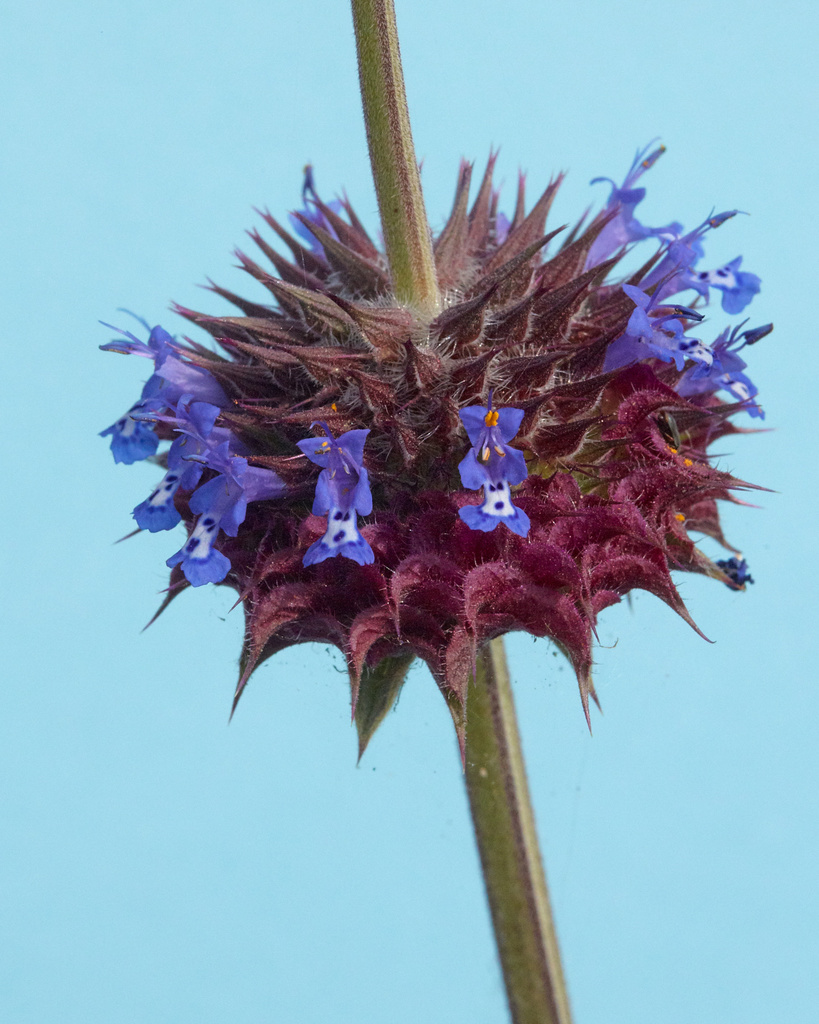
California Chia

Salvia columbariae

Care

Sun

full sun

Water

very low

Soil

Fast, Medium, Slow; Prefers sandy, well drained soil but tolerates clay.

Size

0–1ft tall , 1–1ft wide

Bloom

Mar-May

Deer

Resistant

Container

Friendly

Fragrant

Yes

Flowers

Prized

Edible

Seeds eaten whole or ground into flour; traditional Indigenous food

Native Range

Southern California and inner Coast Ranges from Ventura County to Inyo County, below 3000 ft elevation, in chaparral and desert scrub, extending to Arizona and Mexico

Care Guide

Planting

Plant from seed in fall on a sunny slope or in well-drained soil - chia needs full sun and fast-draining conditions to thrive. It tolerates clay soil but prefers sandy, well-drained earth. Seedlings will emerge early in the rainy season and grow quickly. This small annual sage (reaching about 1.5 feet tall) pairs beautifully with California poppy in mixed plantings or containers.

After Planting

Once established, chia is extremely drought-tolerant and needs water no more than twice a month during summer. The biggest mistake Bay Area gardeners make is overwatering this annual - it evolved in dry conditions and will rot in soggy soil, so err on the side of dry. Expect vivid blue-purple flowers to emerge in spring (March through May), then let the plant complete its annual lifecycle naturally.

Visit Calscape for more information about California Chia

Endangered & Threatened Species Supported

Chalcedon Checkerspot Euphydryas chalcedona
CA Special Concern

California Species of Special Concern

Wildlife Supported

Insects

Larval Host · Spring

Larval host plant for caterpillar development in spring

Larval Host · Spring

Spring and summer larval host for blue butterfly

Nectar · Spring

Early spring forager for nest establishment and brood rearing

Nectar · Spring

Spring and early summer nectar source during active foraging

Larval Host · Spring

Spring larval host for early season butterfly emergence

Larval Host · Spring

Spring larval host for duskywing butterfly development

mod Honey bee
Nectar · Spring

Spring nectar and pollen foraging for honey production

Pollen · Spring

Spring desert bee foraging resource

+3 more species

Birds

Nectar · Spring

Spring nectar foraging during breeding season establishment

Where to Buy

Native Here Nursery

101 Golf Course Dr, Tilden Regional Park, Berkeley

Sat 10am-2pm

3.0 mi (510) 549-0211 Website