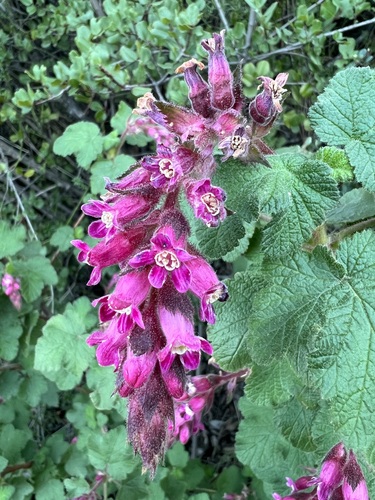
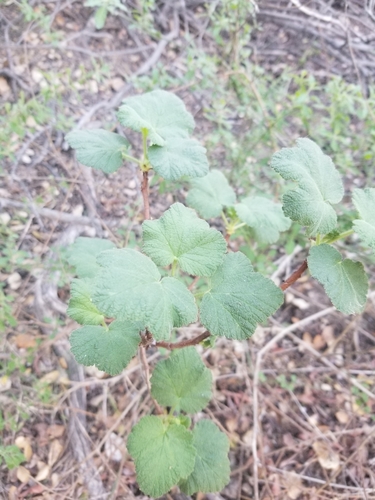
Chaparral Currant
Ribes malvaceum
Care
part shade, full shade
very low
well-drained; dry shade tolerant
3–8ft tall , 3–6ft wide
Oct-Feb · pink
Deciduous
Resistant
Friendly
Prized
Berries eaten fresh or cooked
California Coast Ranges from Mendocino to San Diego
Drooping clusters of pink flowers during fall and winter
Blooms in fall/winter when little else is flowering; dry shade specialist
Care Guide
Planting
Plant your chaparral currant in fall or winter in a spot with full sun or part shade - it's flexible. It needs well-draining soil and tolerates dry shade, so avoid areas that stay wet; if your soil is heavy clay, amend it with coarse sand or gravel. Space it 3–4 feet apart since it grows 3–8 feet tall. This native shrub is naturally adapted to the Bay Area's chaparral and oak woodlands, so it'll establish readily in similar garden conditions.
After Planting
Water twice monthly during your first summer to help it establish, then taper off - once established, this plant thrives on very low water and may only need irrigation in the driest years. Chaparral currant is deciduous and will drop its leaves in summer as part of its natural drought adaptation; don't panic or overwater it. The #1 mistake is watering too much, which causes root rot in this dry-loving plant. Prune only as needed after flowering (winter through spring) to shape it; this is an easygoing native that doesn't demand much attention once established.
Endangered & Threatened Species Supported
California Species of Special Concern; monarch populations declining
California Species of Special Concern
Wildlife Supported
Birds

Critical winter nectar source Oct-Feb during breeding and territorial establishment

Winter berry consumption when other fruit sources scarce

Year-round resident utilizing berries as forage throughout seasons
Insects

Early season foraging Oct-Dec before winter dormancy

Nesting and pollen provisioning during fall bloom period

Important winter pollen and nectar source for hive stores

Critical fall migration fuel source Sep-Nov heading to overwintering sites

Specialist bee utilizing Ribes flowers during fall bloom

Fall-winter foraging for colony provisioning

Foliage-feeding stick insect utilizing Ribes foliage

Larval host plant for spring-emerging caterpillars
+2 more species