← Back to results

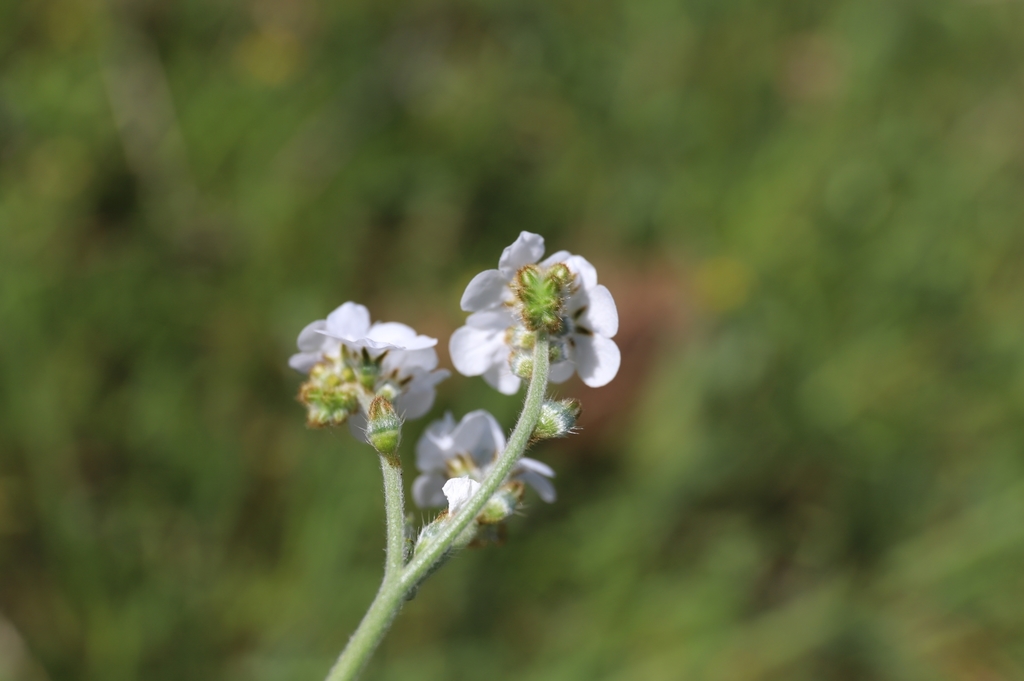
Popcorn-flower

Plagiobothrys nothofulvus

Care

Size

0–2ft tall

Container

Friendly

Flowers

Prized

Native Range

Central Valley and surrounding foothills from Kern County north to Shasta County, below 3000 ft elevation, in grasslands and open scrub

Care Guide

Planting

Plant popcorn-flower in spring (February through April is its natural bloom window) in well-draining soil - it thrives in grassland habitats and is often found on serpentine or plutonic soils, so avoid heavy clay. This is a native wildflower that grows 0.7 to 2.3 feet tall, so space accordingly among other native herbs like Aster chilensis, Lotus angustissimus, and Brodiaea terrestris for a naturalistic meadow planting. The plant's specific habitat preferences (grassy meadows, woodlands, coastal sage scrub) suggest it prefers open conditions typical of the Bay Area's native grasslands.

After Planting

Once established, popcorn-flower is a low-maintenance native that requires minimal intervention - it's a spring ephemeral wildflower adapted to seasonal moisture patterns in California. Since it naturally flowers February through April and is associated with seasonal wetlands and meadow habitats, expect it to follow seasonal dormancy patterns; avoid overwatering outside its growing season. The biggest mistake is treating it like a typical garden perennial - this is a wildflower species that wants to behave like a wildflower, so let it follow its natural spring bloom cycle and go dormant when conditions dry out.

Visit Calscape for more information about Popcorn-flower

Endangered & Threatened Species Supported

Silvery Blue butterfly Glaucopsyche lygdamus incognitus
Federal: Endangered, CA: Endangered

Silverblue butterfly endemic to California coastal dunes

Edith's checkerspot butterfly Euphydryas editha
CA: Endangered

Some subspecies federally protected; species has state endangered designation

Chalcedon Checkerspot Euphydryas chalcedona
CA Special Concern

California Species of Special Concern

Wildlife Supported

Insects

Larval Host · Spring

Larvae feed on plant tissues during spring growth period

Nectar · Spring

Spring season nectar and pollen resource

Larval Host · Spring

Spring host plant for developing caterpillars

Pollen · Spring

Spring pollen collection for larval provisions

Pollen · Spring

Spring pollen foraging for nesting provisions

Larval Host · Spring

Early spring larval host plant for caterpillars

Larval Host · Spring

Larval host plant during spring development

Nectar · Spring

Spring foraging for nectar and pollen during colony establishment

+7 more species

Where to Buy

Native Here Nursery

101 Golf Course Dr, Tilden Regional Park, Berkeley

Sat 10am-2pm

3.0 mi (510) 549-0211 Website