Flowering Currant
Ribes sanguineum
Care
full sun, part shade
low
well-drained; tolerates clay
4–10ft tall , 4–8ft wide
Jan-Apr · pink, red
Deciduous
Resistant
Friendly
Yes
Prized
Berries eaten fresh or cooked
Pacific Coast from British Columbia to central California
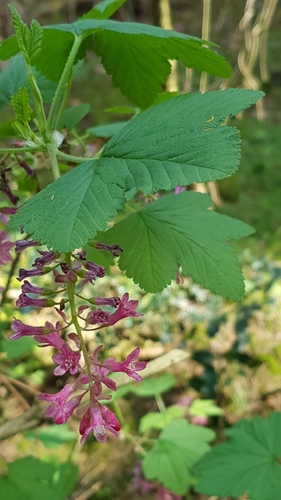
Drooping clusters of pink to red flowers in late winter/early spring
One of the earliest blooming shrubs; fragrant foliage
Care Guide
Planting
Plant your Flowering Currant in partial shade, ideally in fall or winter when it's dormant. It's flexible with soil - tolerating rocky, acidic, and even clay soils - but prefers good drainage, so amend heavy soil with compost if needed. Space it 6 to 10 feet wide to accommodate its vase-shaped growth. It works beautifully as a background plant under oaks or other trees.
After Planting
Water weekly during your first summer, then taper to a maximum of 3 times per month once established - less frequently if you're near the coast. Expect the plant to go deciduous and drop its leaves in summer; this is normal. Prune after flowering ends in spring if needed to maintain shape. The biggest mistake is overwatering inland plants; this native shrub is drought-tolerant once established and prefers drier conditions than many gardeners assume.
Wildlife Supported
Birds

Critical early spring nectar source (Jan-Apr) during breeding season establishment and nest construction

Early spring migration fuel source (Feb-Apr) during northbound migration

Winter and early spring nectar source (Jan-Apr) supporting year-round California residents and early breeding activity

Spring migrant consuming berries during northbound migration (Mar-Apr)
Insects

Spring nectar and pollen source (Feb-Apr) during early colony growth period

Spring foraging resource (Feb-Apr) for queen and worker bees

Early spring nectar and pollen source (Jan-Apr) for queen foraging and colony establishment

Early spring pollen source (Jan-Apr) for nesting females and larval food

Spring nectar and pollen resource (Feb-Apr)

Early spring adult nectar source (Feb-Apr) following emergence
Spring nectar resource for early season adults (Feb-Apr)

Spring pollen visitation for adult nutrition supporting reproduction
+3 more species