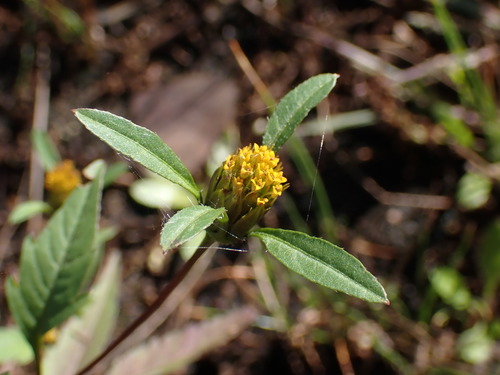
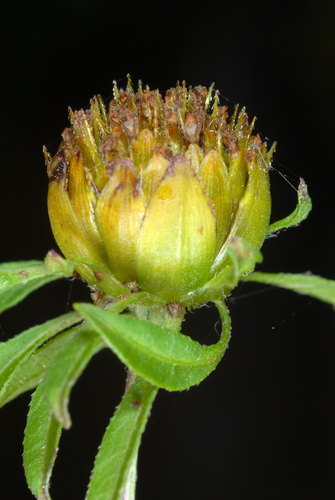
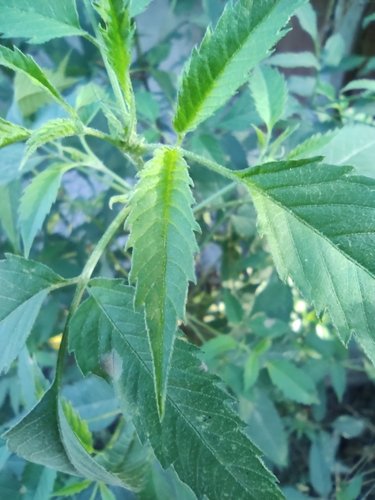
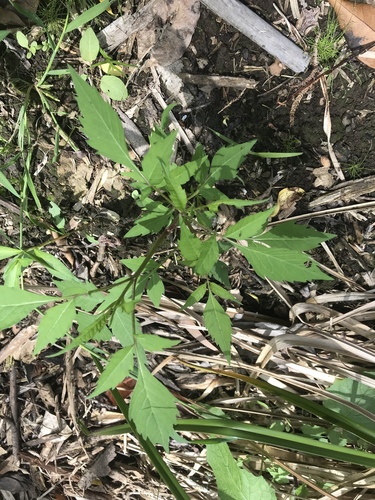
Beggar-ticks
Bidens frondosa
Care
Prefers sandy or loamy soils. Does not grow well in clay soils.
0–4ft tall
Jun-Aug
Friendly
Riparian and wetland areas throughout California, below 4000 ft elevation
Care Guide
Planting
Plant Beggar-ticks in spring or early summer in sandy or loamy soil with good drainage - avoid clay soils where it struggles to establish. Space plants about 12–18 inches apart to accommodate their bushy growth habit. This annual prefers full sun and thrives in disturbed areas, so don't worry about finding the perfect garden spot; it's quite forgiving about placement.
After Planting
Water weekly during the first growing season to help it establish, then reduce watering as it matures since it tolerates drier conditions typical of Bay Area summers. Beggar-ticks is an annual that flowers June through August, so expect the plant to complete its life cycle and set seed by fall; simply let it finish its natural progression rather than deadheading aggressively. The #1 mistake is planting it in clay soil, which will stunt growth - amend with sand or loam first if your garden is heavy clay.
Endangered & Threatened Species Supported
California Species of Special Concern
Wildlife Supported
Birds

Important seed source during fall migration through California wetlands

Opportunistic seed consumption throughout year

Seeds available during winter months when other food scarce

Seeds consumed late summer through winter

Year-round opportunistic seed consumption, peaks in fall

Seeds consumed during fall migration and early winter staging
Insects

Larval and adult feeding on plant foliage during growing season

Nymph and adult feeding during growing season

Larval feeding on plant tissues during warm months

Adult nectar foraging during spring and early summer

Pollen and nectar visitation during bloom period

Larval feeding on foliage during growing season

Adult nectar feeding during warm months
Mammals

Rooting for seeds and plant matter year-round