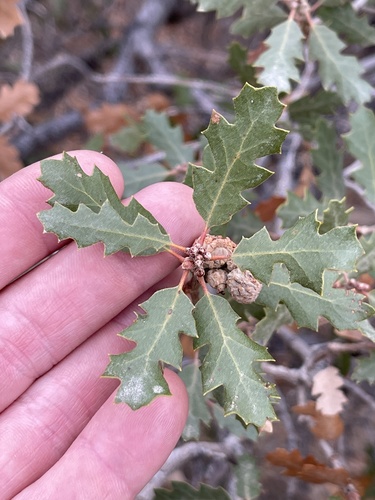
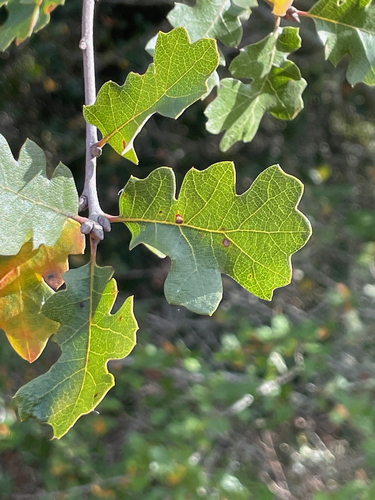
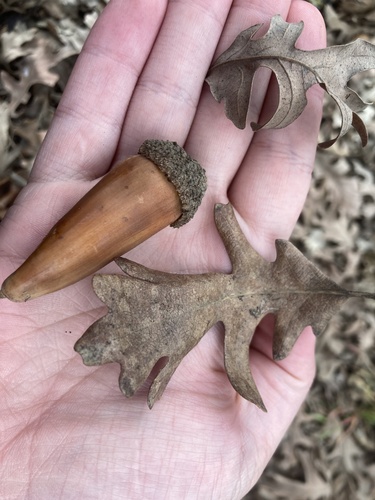
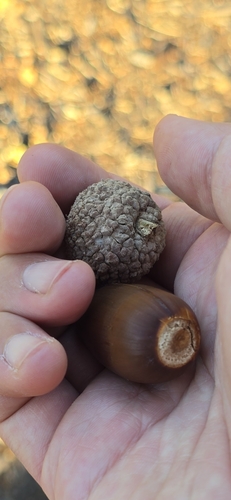
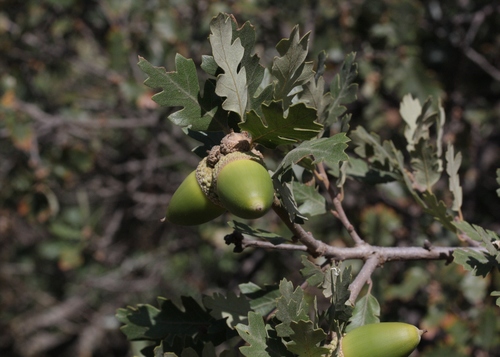
Valley Oak
Quercus lobata
Care
full sun
very low
deep, well-drained; tolerates clay and seasonal flooding
40–100ft tall , 40–80ft wide
Deciduous
Resistant
Acorns leached and ground into flour for traditional food
Supports up to 275 butterfly and moth species in Mediterranean California
Endemic to California interior valleys and foothills
Catkins in spring
Largest North American oak; needs space; drought deciduous in extreme years
Care Guide
Planting
Plant your Valley Oak in full sun with deep, rich soil - the deeper the better, though it can adapt to other soils if moisture is adequate. Space it generously: this tree will reach 40 feet in 10 years and potentially 100 feet at maturity, so don't plant it near buildings, power lines, or within 30 feet of other established oaks. Plant in fall or winter during the cool, wet season when the tree can establish roots before summer heat arrives. Valley Oak tolerates clay and seasonal flooding, so drainage is flexible as long as the tree has access to consistent moisture.
After Planting
Water deeply and regularly during your tree's first growing season and summer - aim for twice monthly once it's established, then taper off as the root system deepens to find the water table. The #1 mistake Bay Area gardeners make is overwatering established trees: stop supplemental irrigation within 30 feet of mature Valley Oaks, as too much water causes branch breakage and weakens the tree. Expect minimal pruning needs; let the tree develop its naturally spreading, irregular form. In winter, you'll see the dramatic bare silhouette that makes these oaks iconic; in fall, leaves turn yellow-orange before browning, and acorns drop in October (fair warning: they're messy, but they'll feed jays and woodpeckers).
Endangered & Threatened Species Supported
Western gray squirrel listed as Threatened under CESA; Species of Special Concern
California Species of Special Concern
Wildlife Supported
Birds

Acorn storage in granaries Aug-Oct; critical winter food source
Cavity nesting in large oak hollows; breeding season Mar-Jun

Acorn foraging during winter residency Dec-Feb

Acorn utilization Oct-Dec, particularly in years of high acorn production

Opportunistic acorn feeding during irruptive years

Secondary cavity nester using woodpecker holes Apr-Jul

Gleaning insects from canopy during spring migration and breeding
Mammals

Primary acorn harvesting and caching Sep-Nov; critical for winter survival

Acorn cache building and consumption Sep-Dec

Browse young leaves and twigs; acorn consumption in fall
Insects
Oak-specialist butterfly; larvae feed on new growth Apr-Jun

Major defoliator; larval period Mar-May; can cause heavy leaf loss

Primary host plant; larval development Feb-May

Gall-forming on leaves and twigs; complex life cycle spring-fall
Larval host plant; caterpillars feed Apr-Jun
Fruiting on dead/dying oak wood Oct-Dec; supports arthropod communities