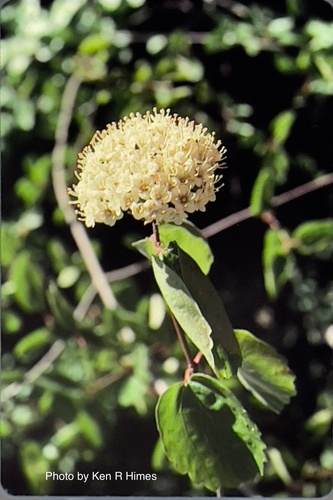
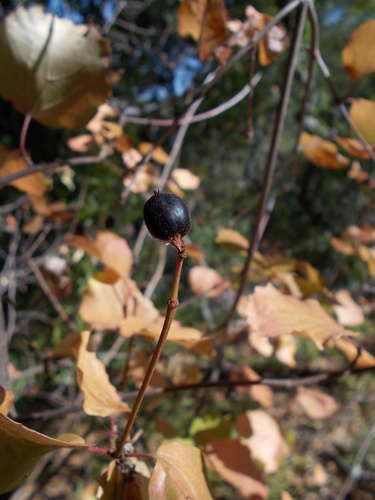
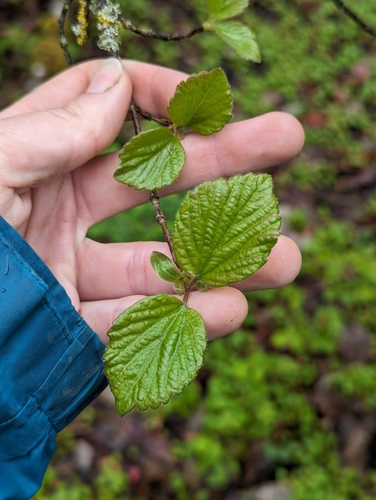
Common Viburnum
Viburnum ellipticum
Care
part shade
low
Mar-May
Deciduous
Friendly
Yes
Prized
Berries eaten raw or cooked; used in jams and traditional foods
Oak woodland and mixed forests of the Sierra Nevada foothills and northern California from Kern to Shasta County, 1500-4000 ft elevation
Care Guide
Planting
Plant your Common Viburnum in part shade - it thrives in dappled light or morning sun with afternoon shade, though it can handle deeper shade. Since this is a deciduous native shrub that naturally grows in California forests and mountain chaparral, plant it in fall or winter when it's dormant to help it establish before summer heat. Give it room to reach its mature size; space it accordingly if planting multiples. The data doesn't specify soil requirements, so amend with compost if your Bay Area soil is compacted, and ensure the planting hole drains well.
After Planting
Water weekly during your first summer to establish a strong root system, then transition to the low-water regimen this native prefers - it should be able to survive on rainfall once established. Expect the plant to go fully dormant and lose its leaves in winter, which is completely normal; you'll see fresh growth and delicate white flowers in spring (March through May). Prune lightly after flowering if needed to maintain shape. The biggest mistake people make is overwatering once the plant is established - resist the urge to treat it like a thirsty ornamental.
Endangered & Threatened Species Supported
Brush rabbit is a Species of Special Concern
Wildlife Supported
Birds

fruit consumption during fall migration and winter staging; important seasonal food source

berries consumed in late season; provides covey shelter within dense branches

berry consumption in fall and winter months; uses shrub for foraging and shelter
uses dense shrub for nesting and roosting cover

berries consumed during pre-migration fattening period
Mammals

browse on leaves and twigs; especially important in winter months

foliage and stems browsed year-round; shelter within dense shrub structure