Scouler's Willow
Salix scouleriana
Care
full sun, part shade
high
Adaptable, tolerant of sand, loam and clay.
7–50ft tall
Jan-Dec
Deciduous
Supports up to 328 butterfly and moth species in Mediterranean California
Riparian areas and moist mountain woodlands of the Sierra Nevada and northern ranges from Kern County to the Oregon border, 3000-7000 ft elevation
Care Guide
Planting
Plant Scouler's Willow in full sun to part shade in fall or winter when the plant is dormant. This adaptable shrub tolerates sand, loam, and clay soils, so soil type is flexible, but ensure the site can handle a plant that grows 7 to 50 feet tall depending on growing conditions. Space it with room for its fibrous, widespread root system and multiple stems to develop.
After Planting
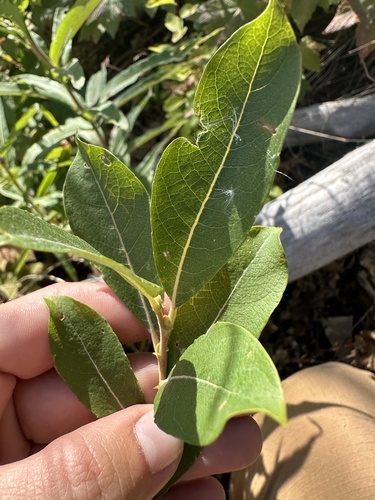
Water heavily during the first growing season and summer months, as this is a high-water plant, then gradually reduce watering as it establishes. Scouler's Willow is deciduous and will drop its leaves in winter - this is normal dormancy, not a sign of trouble. Prune in late winter or early spring while dormant if you need to shape it or manage its multi-stemmed growth; the main mistake is overwatering once established or planting it in a spot where it can't access consistent moisture.
Wildlife Supported
Insects

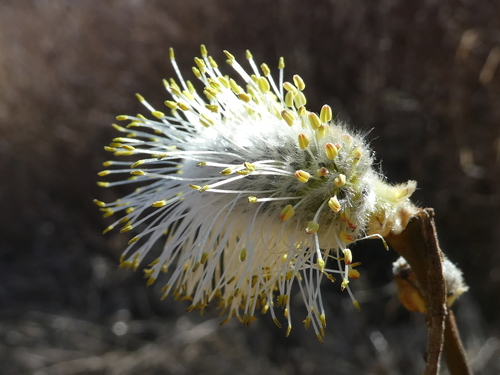
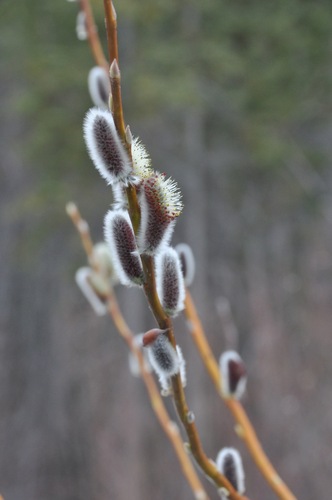
Early season forage on catkins

Important early season pollen source
Adults feed on emerging leaves

Larvae feed on new foliage in spring

Early spring feeding on catkins and foliage

Spring larval host, occasional pest

Early spring catkin foraging

Early forager on willow catkins
+7 more species