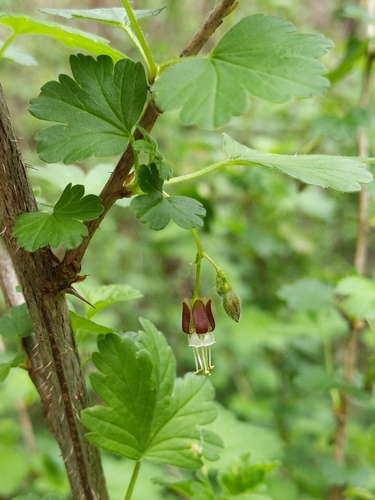
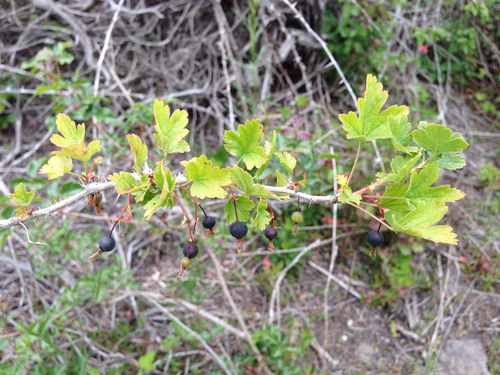
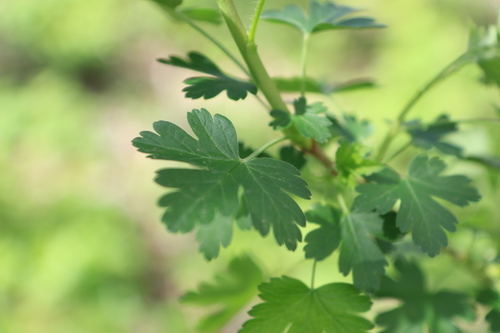
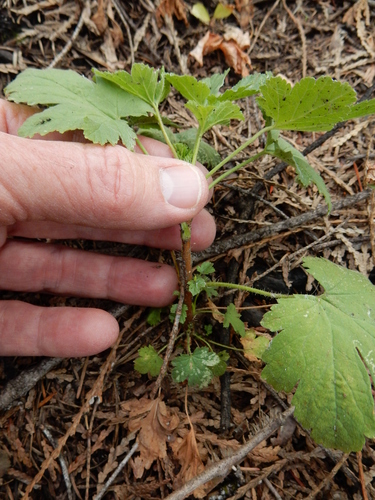
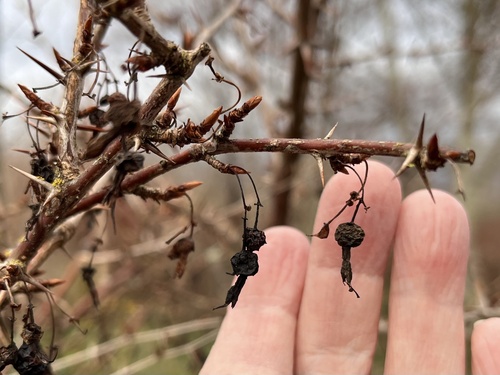
Coast Black Gooseberry
Ribes divaricatum var. pubiflorum
Care
full sun, part shade
low
Fast; Moisture retentive but well-drained loamy soil of at least moderate quality.
6–11ft tall , 3–3ft wide
Mar-May
Deciduous
Resistant
Friendly
Prized
Berries eaten fresh, traditional Indigenous food
Riparian and moist woodlands of the Coast Ranges from Marin County to San Luis Obispo County, below 2000 ft elevation
Care Guide
Planting
Plant your Coast Black Gooseberry in full sun or part shade in a spot with fast-draining, moisture-retentive loamy soil of at least moderate quality. Space it with room to grow, as this deciduous shrub can reach 6–11 feet tall. Plant in fall or early spring before the growing season begins. This native shrub is quite adaptable and doesn't require special companion planting, though it pairs well in wildlife-supporting native gardens.
After Planting
Water weekly during your first summer to establish the plant, then transition to low water once established - typically by year two. In late winter or early spring before new growth appears, prune out any dead or crossing branches; the plant's natural spreading habit means minimal pruning is needed. Expect the plant to leaf out in spring, flower March through May with hanging clusters of purple-tinted blooms, and then drop its leaves in fall. The biggest mistake is overwatering established plants - Coast Black Gooseberry thrives on low water, so dial back irrigation once the first growing season ends.
Visit Calscape for more information about Coast Black Gooseberry
Wildlife Supported
Birds

Highly dependent on ripe berries Jul-Oct for subsistence

Berries important for breeding season and pre-migration fattening Aug-Sep

Berries consumed during migration and winter survival periods
Insects

Caterpillars utilize Ribes species as primary larval food plant

Larvae feed on foliage; overwinter as egg clusters on branches

Adults feed on ripe berries for carbohydrate resources

Larvae feed on Ribes foliage during growing season
Larvae develop in ripening berries

Larvae feed internally on leaf tissue and developing fruit

Larvae feed on Ribes foliage

Larvae feed on Ribes foliage during growing season
Mammals

Browsed year-round; particularly important winter browse in riparian areas