← Back to results

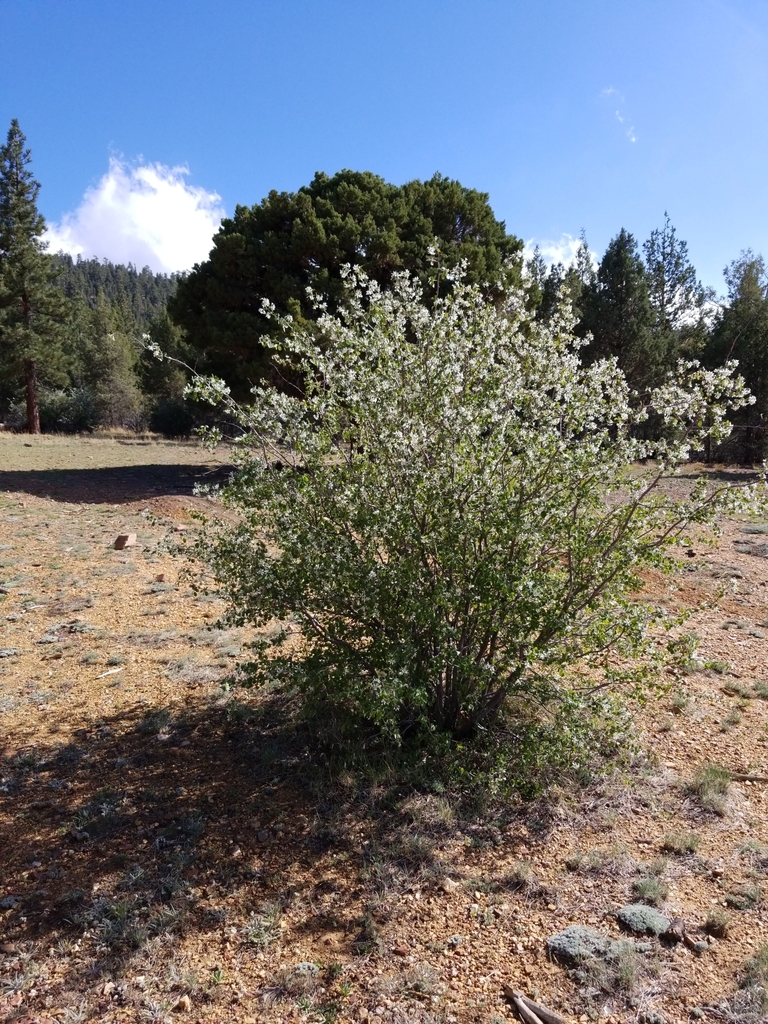
Utah Serviceberry

Amelanchier utahensis

Care

Sun

full sun, part shade

Water

low

Soil

Adaptable, tolerant of sand, loam and clay.

Size

10–16ft tall

Bloom

Mar-May

Foliage

Deciduous

Container

Friendly

Flowers

Prized

Edible

Berries eaten fresh or dried, traditional Indigenous food

Keystone Plant

Supports up to 77 butterfly and moth species in Mediterranean California

Native Range

Chaparral and oak woodlands of the Sierra Nevada foothills and interior ranges from 2000-5000 ft elevation, extending into Nevada and Utah.

Care Guide

Planting

Plant your Utah serviceberry in full sun to part shade in fall or early spring. This shrub is extremely adaptable to soil type - sand, loam, or clay all work fine - so drainage is less critical than with pickier plants. Space it about 5–8 feet from other plants since it can reach 10–16 feet tall and spreads as it matures. It'll establish faster if you get it in the ground before summer heat arrives.

After Planting

Water weekly during your first summer to help it establish, then transition to low water once it's rooted in (typically by year two). Utah serviceberry is deciduous, so it will drop its leaves in fall - this is normal and not a sign something's wrong. Prune after flowering (late spring) if you need to shape it or remove dead wood, but this is a low-maintenance plant that doesn't demand much once established. The #1 mistake is overwatering; this native thrives on drought and can develop problems in soggy soil.

Visit Calscape for more information about Utah Serviceberry

Endangered & Threatened Species Supported

Western bluebird Sialia mexicana
CA Special Concern

California Species of Special Concern

Wildlife Supported

Mammals

Fruit · Summer

Critical late summer/early fall food source; berries consumed during pre-hibernation hyperphagia Jul-Sep

Fruit · Summer

Late summer/early fall mast collection and consumption Jul-Sep

mod Red Fox
Fruit · Fall

Autumn dietary supplement; berries consumed during fall diet shift Aug-Oct

Birds

Fruit · Summer

Spring/summer breeding season diet; nestlings fed berries Jun-Jul

Fruit · Fall

Fall and winter diet staple; supports flocking behavior Aug-Feb

Fruit · Fall

Autumn and winter forage; berries supplement high-elevation diet Sep-Mar

Fruit · Summer

Breeding season diet supplement; berries available Jun-Aug

Insects

Foliage · Spring

Larval host plant; caterpillars feed on new foliage Apr-Jun

Nectar · Spring

Early spring pollinator; critical for queen foraging and colony establishment Apr-Jun

Pollen · Spring

Specialist pollinator; emerges with plant flowering Apr-May

Nectar · Spring

Spring/early summer pollinator; supports colony growth and reproduction Apr-Jul

Larval Host · Year-Round

Fungal pathogen; alternates between Amelanchier and juniper hosts; overwintering stage on Amelanchier

mod Honey bee
Nectar · Spring

Early season nectar source; supports colony build-up Apr-Jun

Where to Buy

Native Here Nursery

101 Golf Course Dr, Tilden Regional Park, Berkeley

Sat 10am-2pm

3.0 mi (510) 549-0211 Website