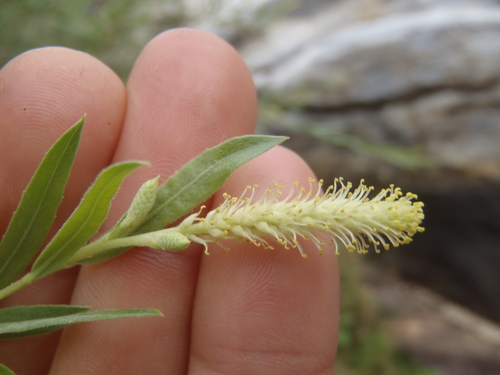
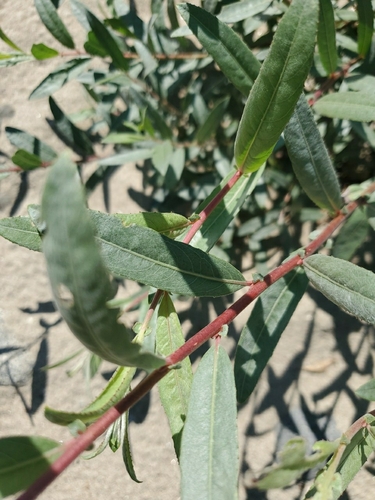
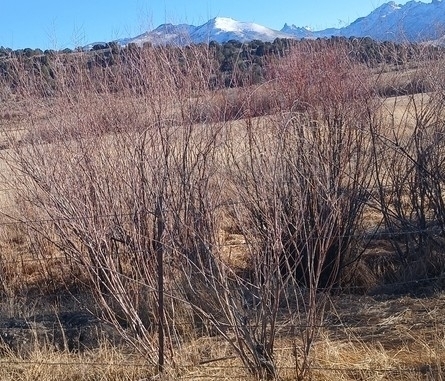
Coyote Willow
Salix exigua var. hindsiana
Care
full sun
high
Slow, Standing; Tolerant of various soils as long as there is abundant moisture available.
10–23ft tall
Jan-Dec
Deciduous
Supports up to 328 butterfly and moth species in Mediterranean California
Riparian corridors and streamside habitats throughout California valleys, deserts, and foothills from sea level to 5000 ft elevation, extending to Oregon and the Southwest.
Care Guide
Planting
Plant your Coyote Willow in full sun in a location where it can access consistent moisture - ideally near a water feature, low-lying area, or spot where you can maintain regular irrigation. This willow tolerates poor drainage and various soil types as long as moisture is abundant, so don't worry about amending heavy clay. Space it with other wetland plants and shrubs, and note that it will eventually spread via underground shoots to fill any wet soil it can reach, so plan accordingly for its mature size of 10 to 23 feet.
After Planting
Water consistently to keep the soil moist through your first summer and beyond - this is not a drought-tolerant plant and drying out is your biggest risk. Once established, maintain that moisture-rich environment year-round; you're not really weaning it off water the way you would other plants. The plant is deciduous, so expect it to drop its leaves in winter and regrow them in spring. Prune after flowering or during dormancy to manage its spreading growth habit, but the Calscape data doesn't specify detailed pruning methods, so consult a local nursery for technique specifics.
Endangered & Threatened Species Supported
California candidate species
Wildlife Supported
Insects

Major spring outbreak host; eggs overwinter on branches

Early-season caterpillar host; overwinters as adult butterfly

Primary host plant for Nymphalis antiopa (Mourning Cloak) caterpillars in early spring

Important early-season caterpillar host for first generation

Early-season pollen specialist on willow catkins

Willow is preferred larval host in California populations

Specialist pollinator on willow catkins; salicis = 'of willows'

Catkin pollen foraging in early spring
+8 more species