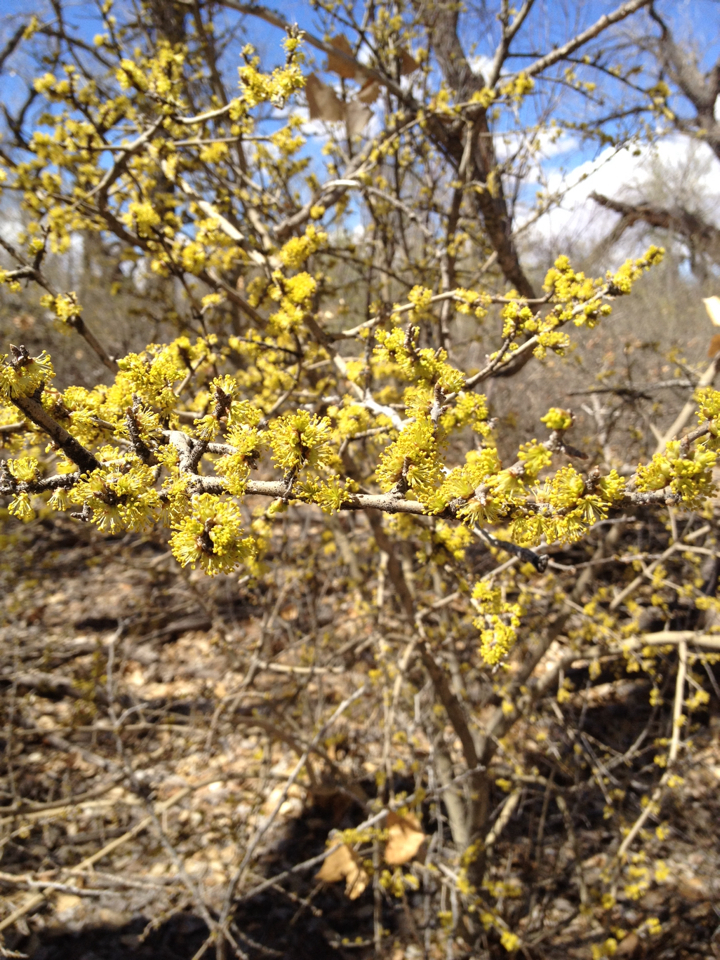
Stretchberry
Forestiera pubescens
Care
full sun
low
Fast; Prefers sandy or decomposed granite soil.
8–8ft tall , 5–8ft wide
Mar-May
Deciduous
Resistant
Sonoran scrub and chaparral of southeastern California, including the Colorado Desert and inland areas from Inyo to San Bernardino and Imperial counties below 3000 ft.
Care Guide
Planting
Plant Stretchberry in full sun in a location with fast-draining soil - sandy or decomposed granite soil is ideal, so amend heavy clay if needed. Space plants about 8 feet apart if planting multiple shrubs for a hedge. Plant in fall or early spring to give the roots time to establish before summer heat. This deciduous shrub is cold-hardy to 10°F, so it thrives in the Bay Area.
After Planting
Water weekly during your first summer to help the plant establish, then gradually reduce watering frequency as it enters its second year - Stretchberry is drought-tolerant once established and needs only low water. The plant will go dormant and drop its leaves in fall, which is normal; expect bright yellow flowers in spring (March through May) before the leaves return. Prune after flowering if you want to shape it, but this is an easy-care plant that doesn't demand much attention - the #1 mistake is overwatering, which can rot the roots in our fast-draining soils.
Endangered & Threatened Species Supported
California Species of Special Concern
Wildlife Supported
Insects
Primary larval host plant for spring broods
Larval host plant; caterpillars feed on foliage April-June
Early spring larval host; caterpillars develop on new foliage
Multi-generational larval host; eggs laid on foliage throughout growing season
Larval host plant for spring generation
Early spring pollen source when blooming
Larval host; caterpillars feed on foliage June-August
Larval host for spring generation; caterpillars feed on foliage
+1 more species
Birds
Important seed source during fall migration and winter foraging