California Alder
Alnus rhombifolia
Care
full sun, part shade
high
Fast, Medium, Slow; Tolerant of sand and clay.
49–82ft tall , 35–35ft wide
Jun-Nov
Deciduous
Supports up to 202 butterfly and moth species in Mediterranean California
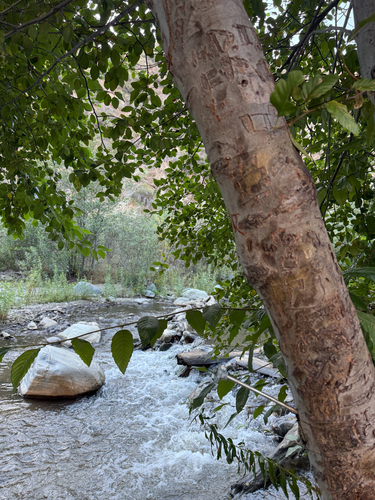
Riparian corridors throughout California from sea level to 6000 ft elevation, along streams and rivers in valleys, foothills, and mountains from Oregon to Baja California.
Care Guide
Planting
Plant your California alder in full sun to part shade in a location with moist soil - it thrives in riparian areas and wet spots where other trees struggle. It tolerates sand, clay, and various drainage rates (fast to slow), so soil type is flexible. Space it away from structures and underground pipes, as its roots can be invasive; this tree is best suited to larger properties, woodland plantings, or naturalized areas rather than small residential gardens. Plant in fall or winter when the tree is dormant for best establishment.
After Planting
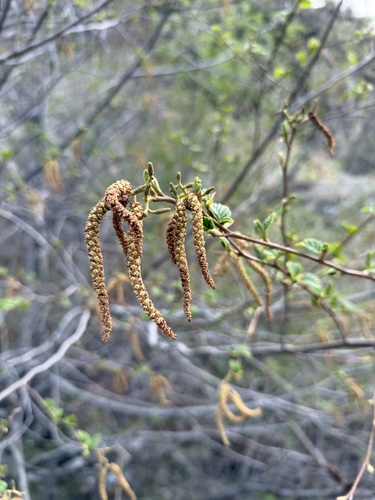
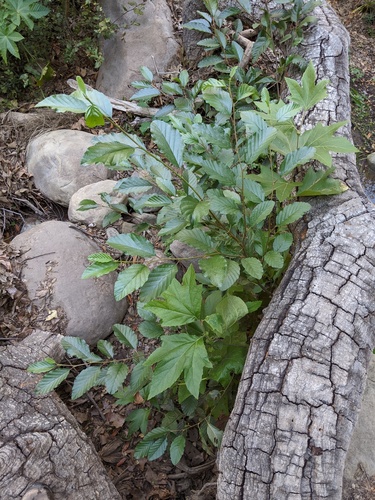
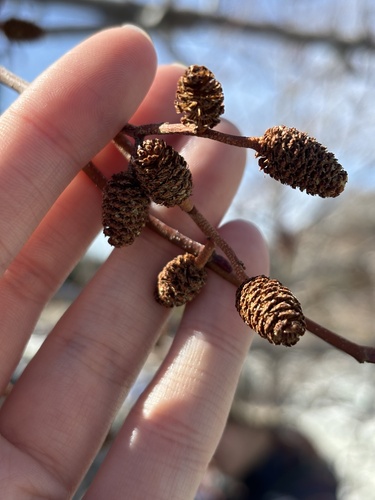
Water deeply and keep the soil moist through your first summer and into the second growing season - this is critical for establishment. Once established, your alder is heat and wind tolerant and will need less frequent watering, though it still prefers consistently moist conditions. Expect vigorous growth and a deciduous canopy that drops in winter; the tree will produce showy male catkins in early spring before leaves emerge, followed by small cone-like female catkins in fall that may persist through the year. The most common mistake is underwatering during establishment - this fast-growing native needs consistent moisture in its first year to develop the deep root system it needs.
Wildlife Supported
Insects

obligate symbiotic relationship in root nodules; critical for alder nitrogen fixation and riparian ecosystem productivity

wood-boring beetle larvae feed within alder stems and branches

caterpillars feed on alder foliage

caterpillar-like larvae skeletonize alder leaves

clearwing moth larvae tunnel through alder shoots and branches

larval development in alder bark and wood

hemi-parasitic plant hosted on alder branches; provides food and shelter for birds

wood-boring larvae in alder trees
+2 more species
Mammals

preferred food and construction material; critical resource in California riparian restoration

year-round browsing on alder foliage and saplings in riparian corridors

foliage browsing in riparian zones, especially young shoots
Birds
cavity nesting and foraging for invertebrates; alder provides soft wood suitable for cavity excavation

nesting in alder riparian scrub habitat along streams