California Wild Rose
Rosa californica
Care
full sun, part shade
low
moist, adaptable; tolerates clay
3–6ft tall , 3–8ft wide
May-Aug · pink
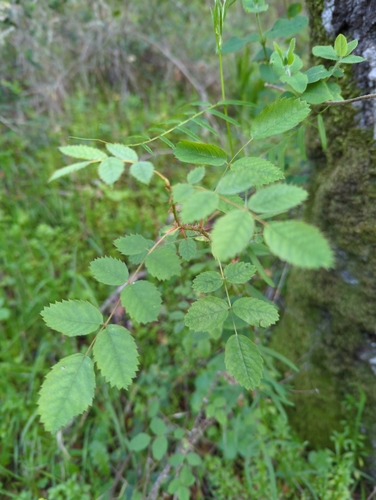
Deciduous
Friendly
Yes
Prized
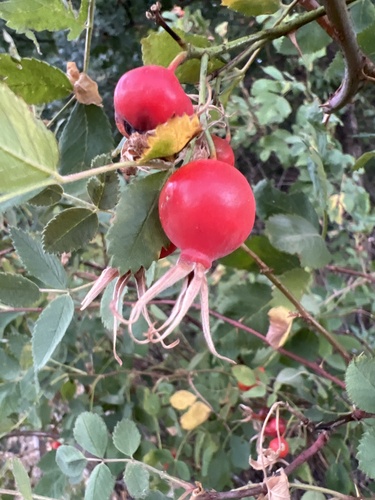
Rose hips made into tea, jams, and syrups (high in vitamin C)
Supports up to 99 butterfly and moth species in Mediterranean California
Throughout California below 6000 ft
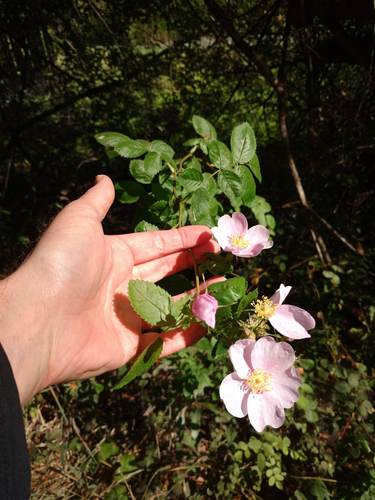
Clusters of fragrant single pink roses; showy rose hips follow
Spreads by suckers to form thickets; excellent habitat plant; fragrant
Care Guide
Planting
Plant your California Wildrose in full sun with moist, loamy soil - though it tolerates clay and different soil types, it performs best in well-draining loam. Space plants generously if you want them to grow into their full 3–6 feet tall and wide without pruning; they naturally form large thickets and make excellent hedges or barriers. Plant in spring or fall to give roots time to establish before summer heat.
After Planting
Water weekly during your first summer to get the plant established, then taper back to supplemental irrigation no more than 3 times per month once it's mature - California Wildrose is drought-tolerant but flowers better with consistent summer water in the Bay Area. Pruning is optional if you have space; if you need to manage its size, do light shaping in late winter or after flowering. Expect it to drop its leaves in fall and regrow in spring, and don't be alarmed by slow growth the first year - this is normal as the plant focuses energy on root establishment.
Visit Calscape for more information about California Wild Rose
Endangered & Threatened Species Supported
California Species of Special Concern
Wildlife Supported
Birds

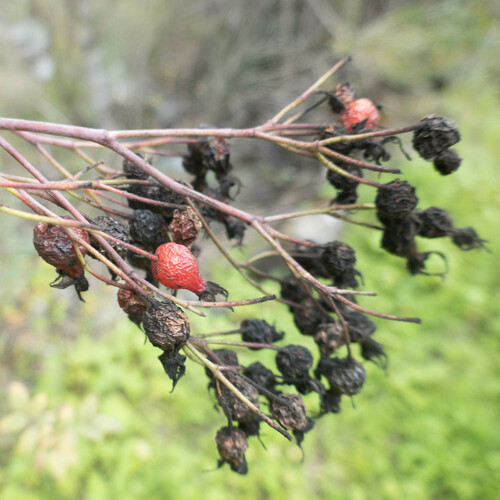
Rose hips critical winter food source Dec-Feb when other fruits scarce

Primary nectar source May-Aug during breeding season

Overwinter survival dependent on hip availability Nov-Mar
Insects

Important larval host; caterpillars feed May-Jul

Host plant for larvae; multiple generations May-Sep

Larval host plant for this skipper butterfly

Larval host plant; caterpillars feed Apr-Jun

Fungal rust pathogen; spores overwinter on plant