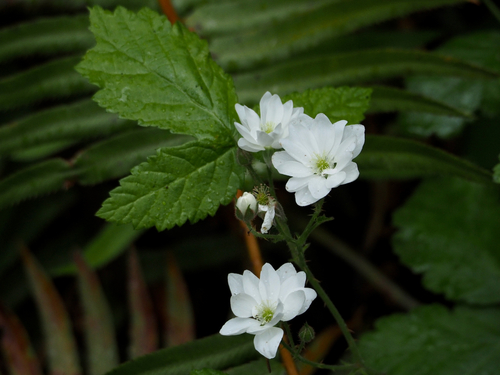
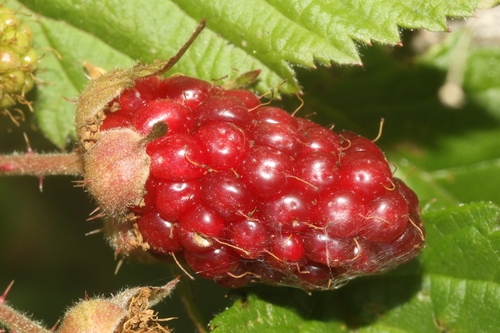
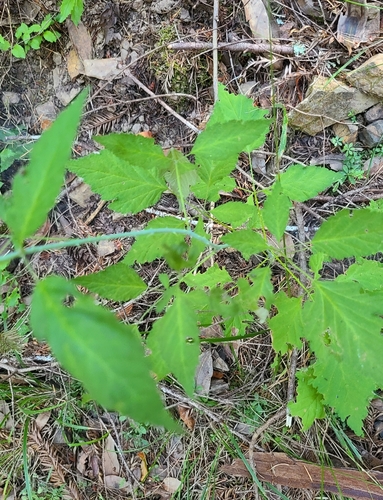
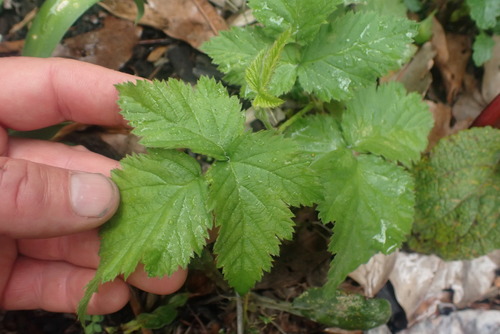
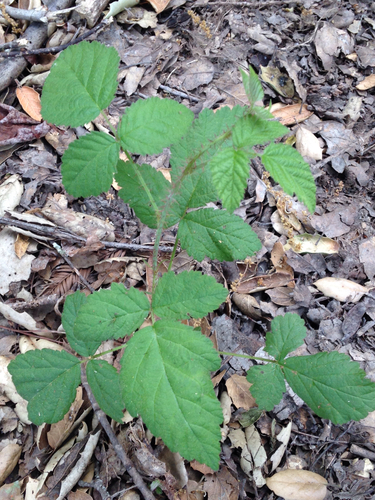
California blackberry
Rubus ursinus
Care
full sun, part shade
low
Medium, Slow; Tolerates a variety of soils.
2–6ft tall , 6–6ft wide
Jan-Dec
Deciduous
Friendly
Berries eaten fresh or made into jam
Supports up to 96 butterfly and moth species in Mediterranean California
Riparian areas, oak woodland understory, and disturbed sites throughout California from the north coast to San Diego County, below 3500 ft elevation.
Care Guide
Planting
Plant your California Blackberry in full sun or part shade - it's flexible and will even tolerate shady spots under trees. It tolerates a variety of soil types and doesn't need rich soil, but make sure your drainage is medium to slow; this plant actually prefers it. Space it away from walkways and high-traffic areas since the stems are very prickly. Plant in fall or winter when the plant is dormant for best establishment.
After Planting
Water weekly through your first summer to help it establish; once established, it needs only moderate water and can get by with watering just once a month in summer. Expect this deciduous shrub to spread up to 6 feet wide, making it useful as a groundcover - plan for that spread. Wear heavy gloves when pruning or weeding because the thorns are serious; prune in late winter or early spring when the plant is still dormant. The #1 mistake is planting it too close to paths where the spreading, prickly stems will catch people and clothes.
Visit Calscape for more information about California blackberry
Endangered & Threatened Species Supported
California Species of Special Concern
Wildlife Supported
Mammals

Peak foraging Jul-Sep, critical pre-hibernation caloric intake

Browse foliage spring-summer, fruit in late summer-fall

Stems for dam construction and food, year-round availability
Birds

Breeding season food Aug-Sep, critical for fledgling provisioning

Late summer-fall staging and migration fuel Sep-Oct

Early spring nectar source when flowers bloom

Summer-fall fruiting season supplement

Summer breeding season diet supplement

Spring migration through CA, early nectar source
Insects

Spring pollinator during flower bloom, pollen provision for larvae

Spring flower blooming period, early colony provisioning

Spring pollen foraging during bloom