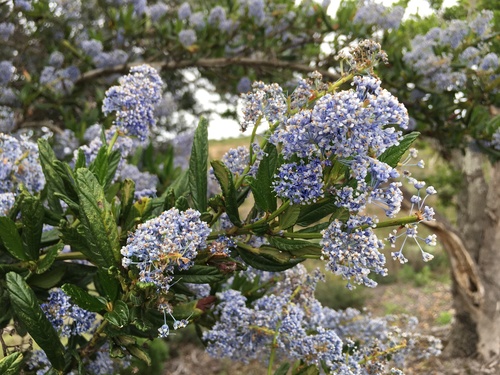
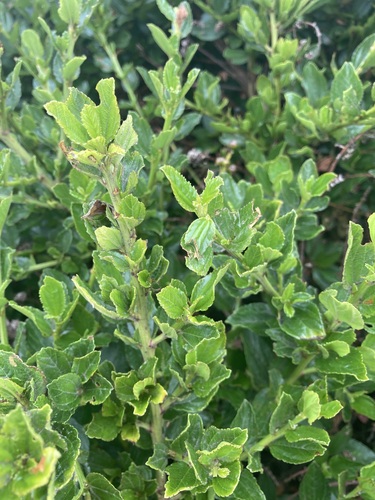
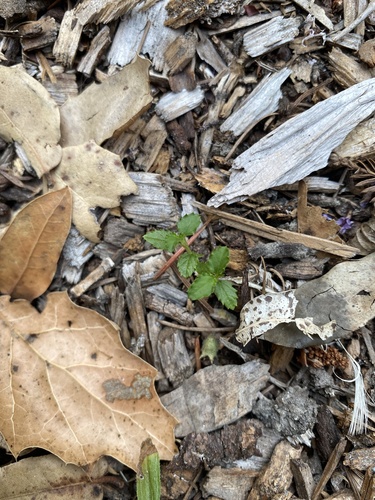
California Lilac (Blue Blossom)
Ceanothus thyrsiflorus
Care
full sun, part shade
very low
well-drained; no summer water
6–20ft tall , 6–15ft wide
Mar-Jun · blue, light blue
Evergreen
Resistant
Yes
Prized
Supports up to 120 butterfly and moth species in Mediterranean California
Coastal California from Oregon to Santa Barbara
Dense clusters of fragrant blue flowers cover the plant
Fast growing but short-lived (10-15 years); nitrogen fixer; spectacular bloom
Care Guide
Planting
Plant your California lilac in full sun or part shade with fast-draining soil - it tolerates clay and sand but truly thrives in well-drained locations. Choose a spot where you can commit to letting it dry out after establishment; in cooler coastal Bay Area locations, it prefers sunnier, drier spots, while in hotter inland areas, part shade or a northern slope works well. Plant in fall or winter to give it time to establish before summer. Do not amend or fertilize the soil.
After Planting
Water weekly during your plant's first growing season, then water no more than once a month during summer after year two or three - this is critical, as summer irrigation will shorten its lifespan significantly. Once established, stop supplemental watering and let it live on natural rainfall. You can prune it to a single trunk for a tree form or leave it natural as a large shrub; prune after flowering ends in spring. The #1 mistake Bay Area gardeners make is continuing to water through summer - resist the urge, and your blueblossom will reward you with years of those dreamy blue blooms each winter and spring.
Visit Calscape for more information about California Lilac (Blue Blossom)
Endangered & Threatened Species Supported
California Species of Special Concern
California Species of Special Concern; population fluctuations noted
Wildlife Supported
Insects

Critical larval host plant; eggs laid Mar-May during bloom

Symbiotic nitrogen fixation in root nodules supports plant productivity

Spring bloom provides critical early-season pollen and nectar

Important early-season nectar source for queen foraging

Larvae feed on new spring growth; pupate by summer

Peak bloom Mar-Jun provides essential spring forage

Early spring blooms fuel colony establishment Mar-May

Caterpillars consume foliage spring through early summer
+5 more species