Coyote Brush
Baccharis pilularis
Care
full sun
very low
adaptable; tolerates clay, sand, poor soils
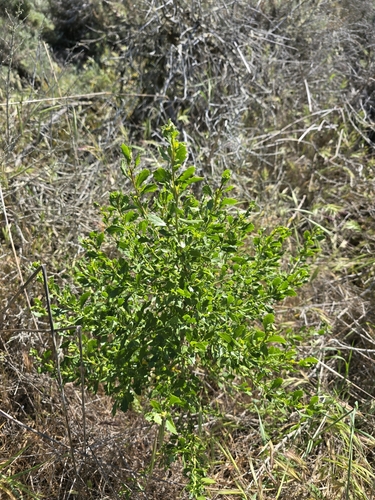
3–8ft tall , 4–10ft wide
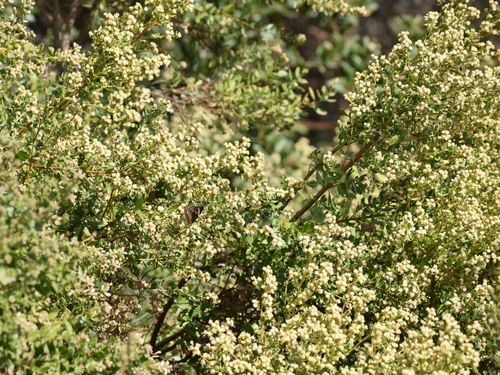
Sep-Dec · white
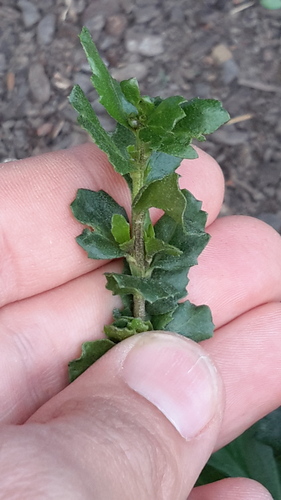
Evergreen
Resistant
Friendly
Coastal California from Oregon to Baja California
Fluffy white seed heads on female plants in fall
Extremely tough pioneer species; dwarf form 'Pigeon Point' makes excellent groundcover
Care Guide
Planting
Plant your Coyote Brush in full sun - this is non-negotiable for best growth. It's extremely adaptable to soil type, so whether you have clay, sand, or poor soil, it will grow; just make sure water drains reasonably well. Space plants 3–8 feet apart depending on whether you want them to fill in as groundcover or grow as individual shrubs. Fall through early spring is ideal planting time in the Bay Area.
After Planting
Water weekly for the first summer until established, then you're mostly done - this is a drought-adapted plant that needs minimal irrigation after that. The only real mistake people make is overwatering; once established, this shrub thrives on neglect. It's evergreen and blooms in fall and winter (September–December), so you'll have flowers when little else is blooming. Pruning details aren't specified in the data, so keep it simple and only prune for shape or to remove dead wood if needed.
Endangered & Threatened Species Supported
California Species of Special Concern; monarch populations declining
Wildlife Supported
Insects

Essential fall forage Sep-Dec when few other resources available

Critical fall migration staging nectar Sep-Nov

Critical late-season nectar source Sep-Dec for colony provisioning before winter dormancy

Specialist larval host plant
Specialist moth larvae feed on Baccharis foliage

Late-season pollen and nectar gathering for fall breeding

Overwinter aggregation sites in dense foliage

Late-season nectar for colony maturation Sep-Dec
+5 more species
Birds

Evergreen dense foliage provides year-round cover and nesting habitat

Fall migration nectar source Aug-Oct

Fall nectar source, also nesting shrub in some years

Winter cover and roosting habitat Oct-Mar