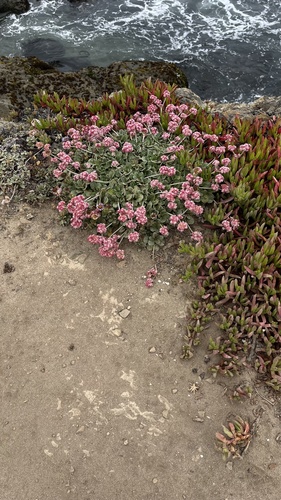
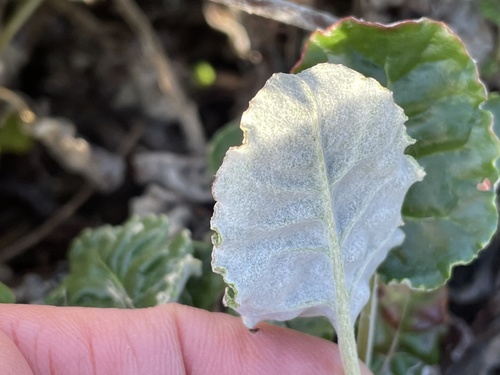
Coast buckwheat
Eriogonum latifolium
Care
full sun, part shade
low
Fast, Medium; Tolerates clay but prefers fast draining rocky or sandy soil.
2–2ft tall , 2–3ft wide
Jun-Nov
Deciduous
Resistant
Friendly
Prized
Coastal bluffs and coastal sage scrub from San Luis Obispo County to San Diego County, sea level to 1000 ft elevation.
Care Guide
Planting
Plant Coast Buckwheat in full sun on rocky slopes, in crevices, or sunny rock walls where drainage is fast - it prefers rocky or sandy soil but tolerates clay. The best time to plant is during the rainy season (fall through spring) so it can establish before summer. Space plants to account for their 2-foot mature height and width. If you're planting away from the immediate coast, choose a spot with part shade and be prepared to provide supplemental water during establishment.
After Planting
Water weekly during your plant's first summer to help it establish, then cut back to no more than once monthly by late summer of year one. Once established (typically after the first year), Coast Buckwheat needs no additional summer water if you're near the coast, or minimal supplemental water if you're inland - the goal is to wean it off irrigation as much as possible. Leave the flower stalks standing through winter to feed birds and enjoy the copper-colored fall blooms; they'll naturally decline as the plant goes dormant. The #1 mistake is overwatering: this coastal plant evolved to thrive on fog and rainfall, so err on the side of dry once it's established.
Endangered & Threatened Species Supported
California Endangered Species Act listing
Listed as Threatened under California Endangered Species Act
Wildlife Supported
Insects

Multiple broods use as larval host

Larval food plant for spring brood

Primary larval host plant

Multiple broods throughout growing season

Spring and summer broods

Spring through early summer

Early season host plant

Specialist pollen forager
+7 more species