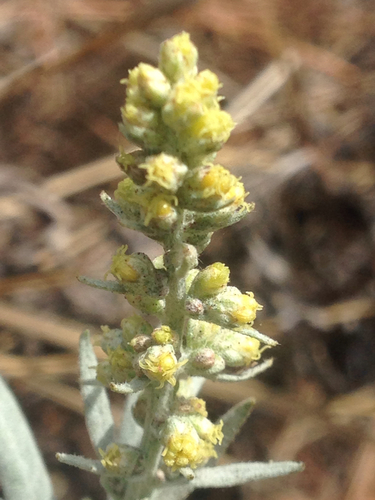
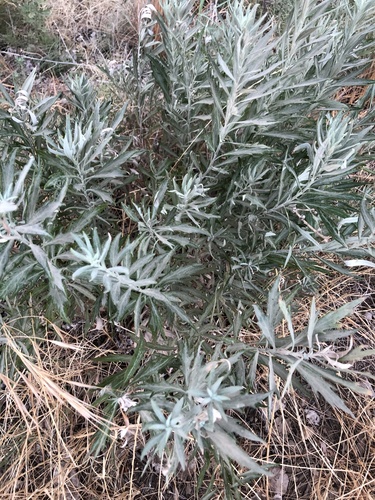
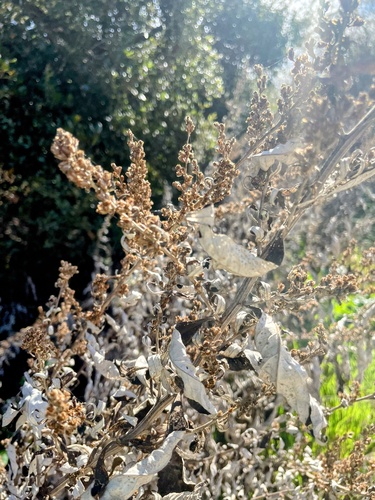
Mugwort
Artemisia douglasiana
Care
full sun, part shade
low
Fast, Medium, Slow; Tolerant of a variety of soils as long as adequate moisture is available.
8–8ft tall , 4–4ft wide
Mar-Nov
Deciduous
Resistant
Friendly
Yes
Leaves used as culinary and medicinal herb; aromatic seasoning
Supports up to 64 butterfly and moth species in Mediterranean California
Widespread throughout California below 6000 ft elevation in coastal scrub, grasslands, riparian areas, and disturbed sites, extending to British Columbia.
Care Guide
Planting
Plant mugwort in full sun to part shade in any soil type - it's remarkably flexible as long as drainage is adequate. Space plants about 5 feet apart since they'll spread to that width at maturity, especially in moister spots where underground rhizomes travel aggressively. Plant in spring or fall for best establishment. This native Bay Area shrub tolerates our winter cold without fuss.
After Planting
Water weekly through your first summer, then taper to once monthly or less once established - mugwort is tough and drought-tolerant once it settles in. In late winter, cut back dead stems hard; they'll resprout vigorously in spring and fill out into a full 4-foot shrub. The #1 mistake is overwatering: this plant thrives on neglect and will actually grow more aggressively if you keep it consistently moist, which can turn it into a spreading problem. Let it dry out between waterings after year one.
Wildlife Supported
Insects

Multiple generations use Artemisia as primary larval host plant

Specialist aphid on Artemisia; supports predatory insects

Preys on Macrosiphoniella ludovicianae and other arthropods on mugwort

Feeds on aphids and mites on mugwort; critical for pest management

Caterpillars feed on Artemisia foliage

Nymphs and adults feed on foliage and flowers; late season reproduction

Uses plant structure for nest construction and overwintering sites

Secondary pollen source; less attractive than flowering plants but utilized when available
+3 more species
Mammals

Browsed opportunistically; more important in arid/semi-arid California habitats