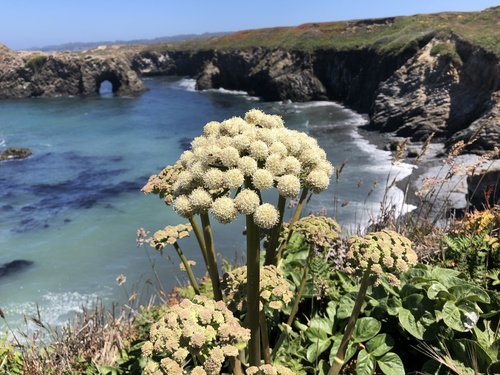
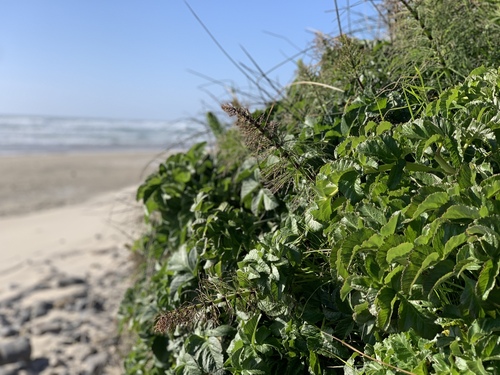
Coast Angelica
Angelica hendersonii
Care
full sun
moderate
Fast; Tolerates a variety of soils as long as adequate drainage is provided.
3–7ft tall , 4–5ft wide
Mar-Aug
Evergreen
Friendly
Young stems and leaves eaten raw or cooked; traditional vegetable
Coastal headlands and bluffs from Sonoma County to Mendocino County, below 1000 ft elevation in coastal scrub.
Care Guide
Planting
Plant Coast Angelica in full sun with fast-draining soil - it tolerates a variety of soil types as long as drainage is adequate, so amend heavy clay with compost or sand if needed. This is a taprooted perennial, so choose its location carefully since it won't appreciate being moved once established. Plant in spring to give it the growing season to develop before winter.
After Planting
Water moderately during the first year to establish the plant, tapering off as it matures and becomes more self-sufficient. The #1 mistake is overwatering or planting in poorly draining soil, which will rot the taproot - if your spot tends to stay wet, this isn't the plant for you. Expect it to grow 3 to 7 feet tall and bloom from March through August; minimal pruning is needed beyond removing dead growth.
Wildlife Supported
Insects

Larvae feed on Apiaceae family plants including Coast Angelica; multiple generations Apr-Oct in coastal California

Specialist and generalist Colletes species forage on Apiaceae flowers; important native pollinator

Larvae are specialist feeders on Coast Angelica foliage; important host-specific relationship

Adults forage for nectar and hunt arthropods on flowers; introduced but established in California

Polyphagous larvae occasionally recorded on Apiaceae; significant in coastal populations during migration periods