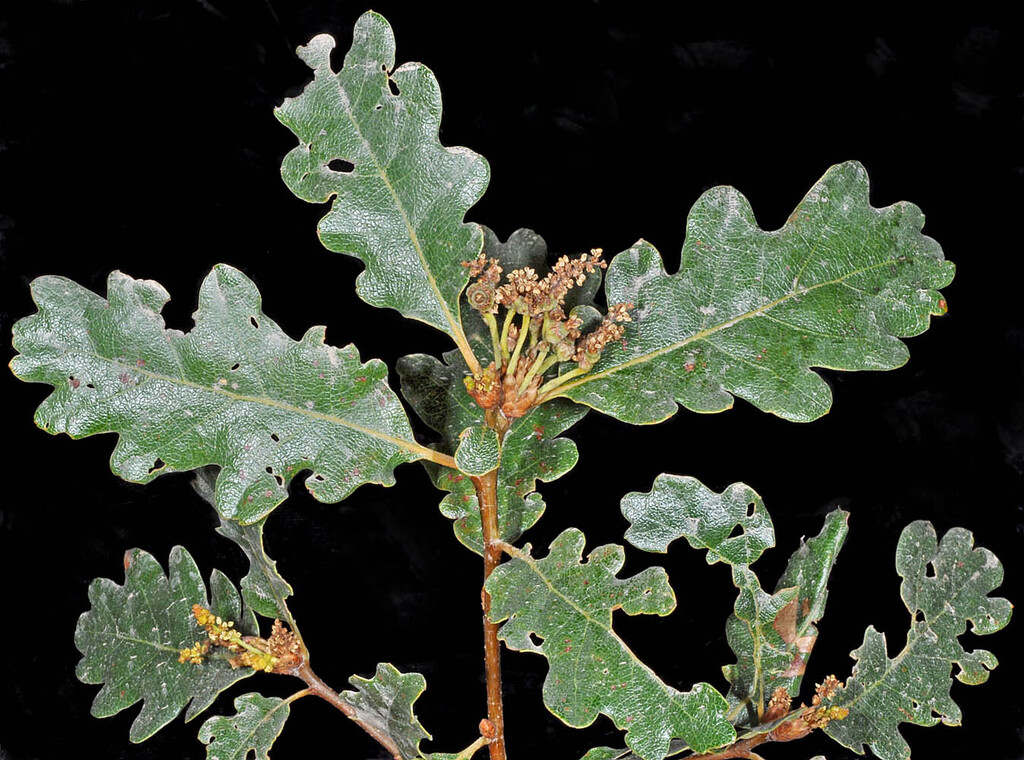
Oregon White Oak
Quercus garryana
Care
full sun
very low
well-drained; tolerates clay and serpentine
30–70ft tall , 25–50ft wide
Deciduous
Resistant
Acorns leached and ground into flour for traditional food
Supports up to 275 butterfly and moth species in Mediterranean California
Pacific Coast from British Columbia to central California
Catkins in spring
Slow growing but long-lived; beautiful broad crown; increasingly rare in Bay Area
Care Guide
Planting
Plant your Oregon White Oak in full sun with well-drained soil - it tolerates clay and serpentine soils, but performs best in rich, loamy soil with medium drainage. Fall or winter is ideal for planting to establish roots before the growing season. Space it with room to grow; expect 30 to 70 feet tall depending on variety and conditions. This is a deciduous tree, so plan for bare branches in winter.
After Planting
Water twice monthly during the first summer to establish the tree, then reduce to nearly no supplemental water once established - this is a very low-water plant. The biggest mistake is overwatering; Oregon White Oak is drought-tolerant and actually prefers drier conditions once rooted in. Prune only as needed for structure in the first year; this is an easy-care tree that will drop its large lobed leaves each winter and leaf back out in spring.
Endangered & Threatened Species Supported
California Species of Special Concern
Wildlife Supported
Birds
Year-round acorn storage in granary trees; primary food source for resident populations
Critical acorn caching and consumption Sep-Feb; disperses acorns through scatter-hoarding behavior
Critical fall/winter acorn consumption; important California oak woodland species Sep-Feb
Insects
Larval host plant; caterpillars feed on oak foliage spring-summer
Heart-rot fungus on living trees; creates cavity habitat for insects and small vertebrates
Sap-feeding leafhopper on oak foliage; important prey for insectivorous birds and spiders
Polyphagous but oak specialist in California oak woodlands; spring defoliator
Skeletonizes oak leaves; important early summer defoliator of deciduous oaks
Leaf-mining caterpillar on oak foliage; multiple generations per season
Specialist oak foliage feeder; larvae defoliate oak leaves during growing season