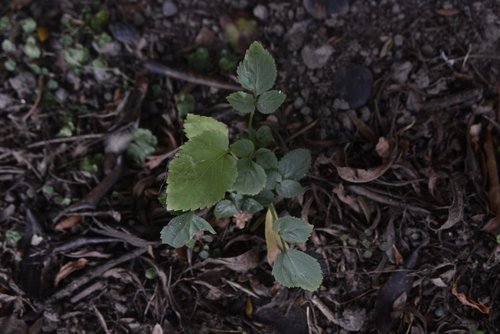
Blue Elderberry
Sambucus nigra ssp. caerulea
Care
full sun, part shade
low
moist, well-drained; tolerates seasonal flooding
15–30ft tall , 10–20ft wide
Apr-Jun · creamy white
Deciduous
Resistant
Yes
Prized
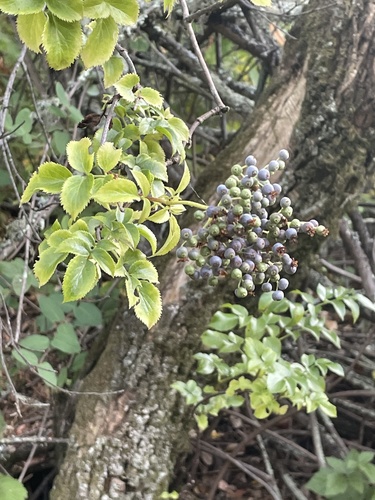
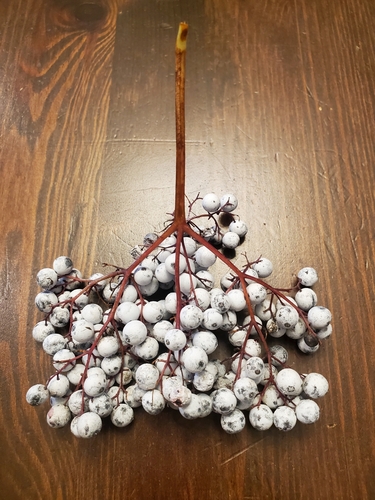
Berries cooked for jams, syrups, and elderberry beverages
Throughout California below 10000 ft
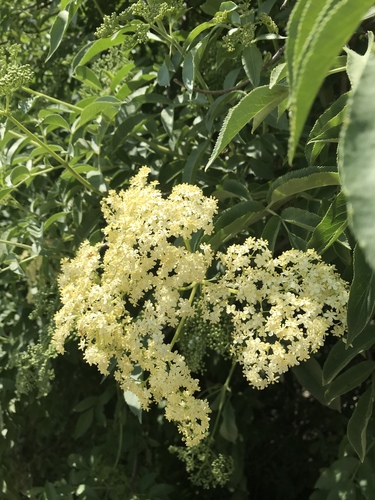
Large flat-topped clusters of tiny fragrant flowers
Berries edible when cooked; fast growing; elderberry longhorn beetle is federally listed
Care Guide
Planting
Plant your blue elderberry in full sun or part shade in well-drained soil that can tolerate seasonal moisture - it's adaptable to most soil types in the Bay Area. Fall through early spring is ideal for planting. Space it with room to grow; this plant will reach 15–30 feet, so give it at least 10–15 feet of clearance from structures. It tolerates seasonal flooding and can handle both moist and drier conditions once established.
After Planting
Water weekly during your first summer to establish a strong root system, then transition to once or twice monthly during summer as it matures. This fast grower can shoot up to 15 feet in three years, so prune in late winter or early spring to promote branching and prevent a loose, rangy form - the more you prune, the bushier it gets. The biggest mistake is overwatering once it's established; after year one, this tree actually prefers drier summers and only needs supplemental water in extreme heat. It will drop all its leaves in winter (it's deciduous) and return reliably in spring.
Wildlife Supported
Birds

Berries ripen Jul-Aug; consumed by 50+ bird species during late summer migration
Over 50 species documented; primary resource for songbirds during Jul-Nov period

Migrant; heavily relies on berries Aug-Oct during fall migration through California

Peak consumption Jun-Sep; critical for fledgling nutrition and migration preparation

Peak fruit consumption Jul-Sep; critical pre-migration fuel source

Migrant; consumes berries Aug-Oct during southbound migration

Migrant; supplements insect diet with berries during late summer passage

Gleans insects from flowers Apr-Jun; consumes berries Aug-Oct
Insects

Larvae bore through wood; critical host for beetle lifecycle; adults emerge May-Jun

Adults nectar on flowers Apr-Jul during bloom season