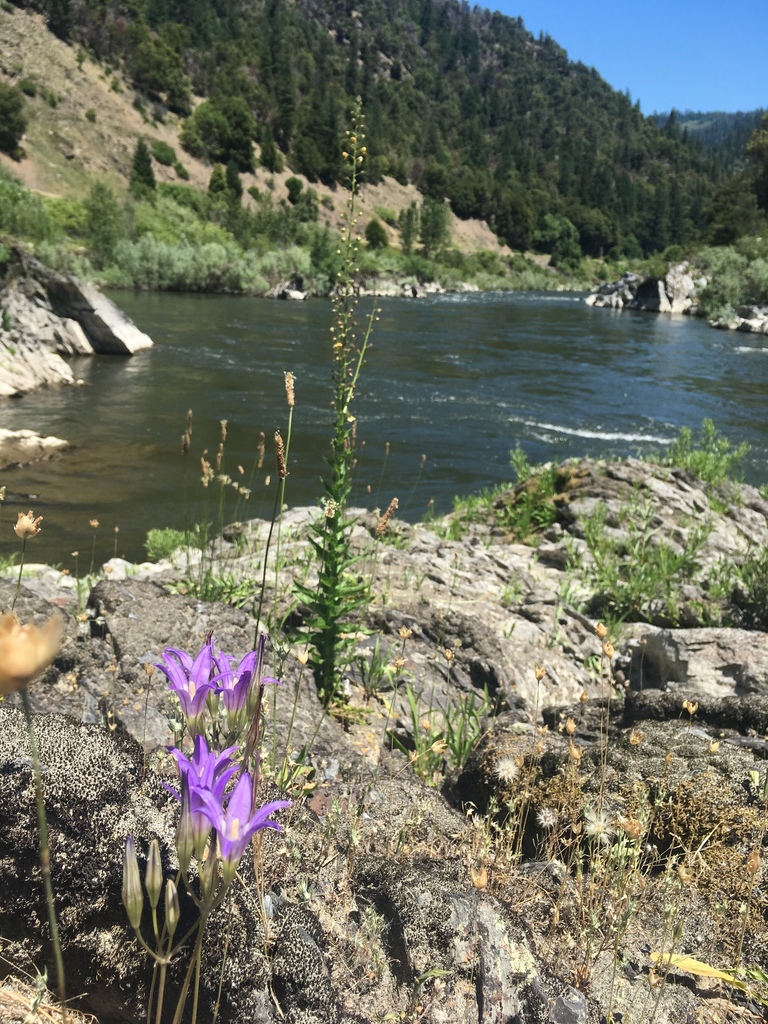
Harvest Brodiaea
Brodiaea elegans
Care
full sun
very low
well-drained to clay; summer dry
0–1ft tall , 0–0ft wide
May-Jul · violet-purple
Deciduous
Resistant
Friendly
Prized
Corms roasted or boiled; traditional Indigenous food
California and Oregon in grasslands and meadows
Open clusters of funnel-shaped violet-purple flowers
Easy in meadow or grassland settings; summer dormant; edible corms
Care Guide
Planting
Plant your Harvest Brodiaea corm in full sun during fall, when the soil is naturally drying out after summer. It tolerates clay soil beautifully but also grows well in garden soil with good drainage - the key is avoiding soggy conditions year-round. Space corms about 3-4 inches apart and pair them with other spring bloomers like California Poppy, Lupine, or other geophytes such as wild onion and Mariposa Lily for a naturalistic meadow effect.
After Planting
Water moderately during the first growing season to establish the corm, then transition to very low water by late spring as the plant naturally prefers dry conditions. Once established, Harvest Brodiaea needs almost no supplemental water and will go dormant and disappear entirely after flowering (typically by July) - this is normal deciduous behavior, not a problem. The #1 mistake is overwatering during summer dormancy; let the soil dry out completely and resist the urge to water when the plant has vanished. To expand your planting, dig up mature corms in fall and carefully separate the offset corms that have formed.
Endangered & Threatened Species Supported
Federal Threatened; California Endangered; Species of Special Concern
Wildlife Supported
Insects
Primary nectar source May-July during bloom
Early spring forager May-June
Spring forager on brodiaea blooms
Native bee specialist on brodiaea flowers May-July
Native solitary bee specialist on brodiaea
Queens and workers forage on blooms during spring season
Grassland specialist butterfly on spring blooms
Spring-flying butterfly foraging on brodiaea blooms
+5 more species