Blue Dicks
Dipterostemon capitatus
Care
full sun
very low
well-drained; tolerates clay; summer dry
1–2ft tall , 0–0ft wide
Mar-May · blue-violet
Deciduous
Resistant
Friendly
Prized
California and Oregon in grasslands and open areas
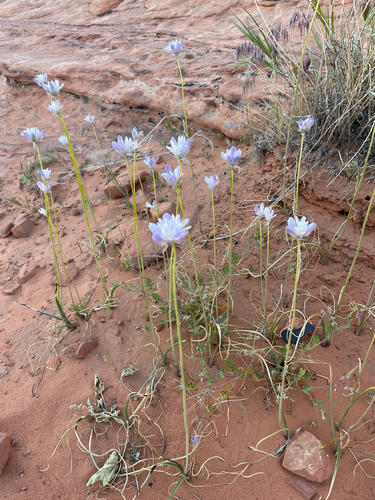
Round clusters of blue-violet flowers atop bare stems
Among the most widespread native bulbs; reliable and easy; dormant in summer
Care Guide
Planting
Plant Blue Dicks in full sun with well-drained soil - they tolerate clay and actually prefer summer-dry conditions, so avoid areas that stay moist year-round. The best time to plant is fall or early winter, when the corms naturally want to establish roots before spring blooming. Space them 4-6 inches apart in open areas similar to their natural meadow and chaparral homes, and pair them with native grasses, coast sagebrush, or other drought-tolerant companions like Dudleya or cacti.
After Planting
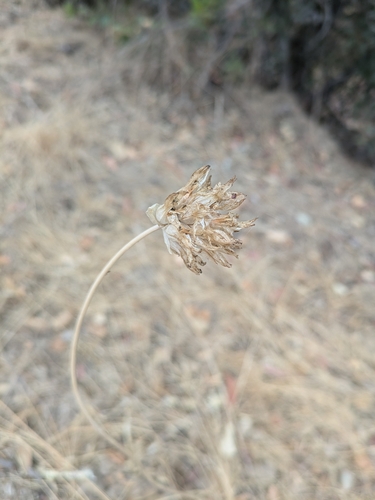
Once established, Blue Dicks need no summer irrigation - this is a fire-adapted plant that expects to dry out completely after flowering ends in May. Water only during the first growing season to help roots establish, then let nature take over. Expect the plant to go dormant and disappear underground by early summer; this is normal, not dead. The #1 mistake is watering too much or adding mulch, which can rot the corm - treat it like the low-water survivor it is.
Wildlife Supported
Birds

Early spring blooms provide critical nectar during breeding season initiation Mar-May
Insects

Spring migrants utilize blooms as early nectar source Mar-May

Early spring honeydew and nectar source during colony activation Mar-May