Chaparral Clematis
Clematis lasiantha
Care
full sun, part shade
very low
well-drained; tolerates rocky and poor soils
10–25ft tall , 5–10ft wide
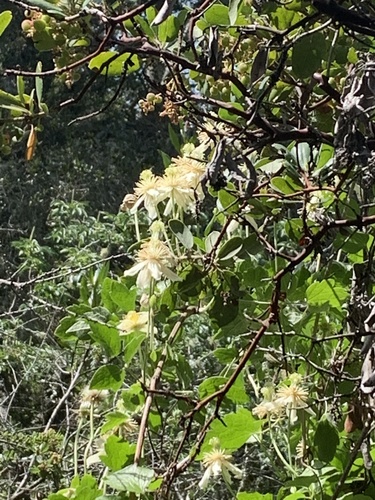
Mar-May · creamy white
Deciduous
Resistant
Prized
California Coast Ranges and foothills from Shasta to San Diego
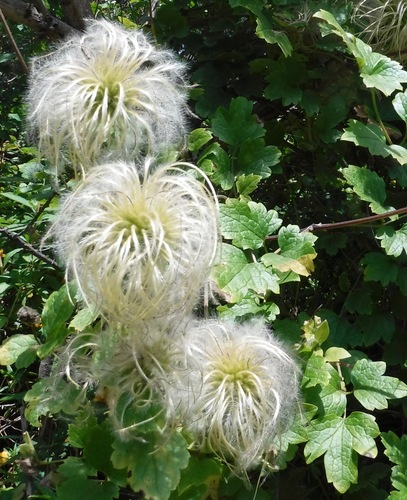
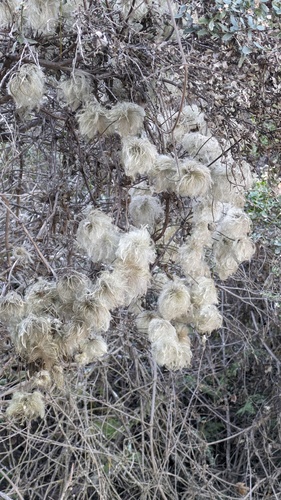
Clusters of showy creamy white flowers followed by feathery seed heads
More drought tolerant than C. ligusticifolia; showy seed heads persist
Care Guide
Planting
Plant your Chaparral Clematis in full sun in fall or early spring. This vine is tolerant of most Bay Area soils - clay, sand, rocky, or poor soil all work fine - as long as drainage is adequate. Space it near a fence, arbor, pergola, or shrub it can climb through, keeping in mind it will grow vigorously up to 15–25 feet.
After Planting
Water weekly during your first summer to establish the plant, then taper to once or twice monthly by the second year once it's established. Chaparral Clematis is deciduous and will go dormant in winter - expect the foliage to drop, which is normal. Prune only as needed to shape or control growth; the plant flowers on new wood so you have flexibility with timing. The #1 mistake is overwatering: this native vine evolved in dry chaparral and hillsides, so once established, treat it like the drought-tolerant plant it is.
Visit Calscape for more information about Chaparral Clematis
Wildlife Supported
Birds

feathery seeds used in hanging nest construction Apr-Jun
utilize feathery achenes and plant structure for nest construction Apr-May

dense vine growth provides year-round cover and nesting habitat in chaparral

chaparral resident uses vine tangles for cover and foraging substrate

uses dense clematis vines for roosting and nesting in chaparral
Insects
pollen collection during Mar-May bloom
primary nectar source during peak bloom Mar-May
larvae feed on clematis foliage during plant growth period Mar-May
spring migrants and resident populations utilize flowers Mar-May