California Grape
Vitis californica
Care
full sun, part shade
moderate
moist, deep soils; tolerates clay; near water
10–30ft tall , 5–15ft wide
May-Jun · greenish
Deciduous
Resistant
Grapes eaten fresh; used for juice, wine, or preserves
Supports up to 62 butterfly and moth species in Mediterranean California
California riparian corridors from Siskiyou County to San Diego
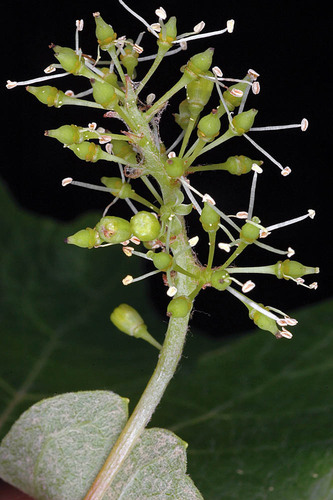
Inconspicuous green flowers; small edible purple grapes follow
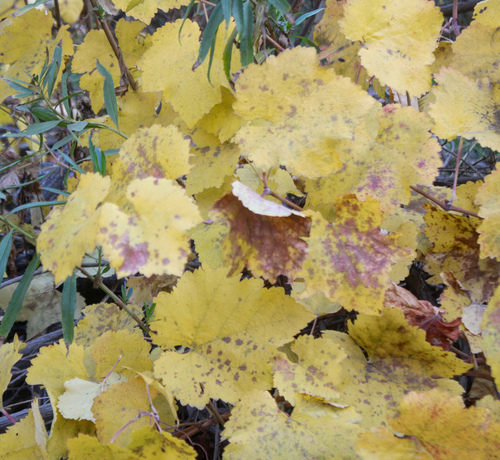
'Roger's Red' cultivar has spectacular scarlet fall color; vigorous climber
Care Guide
Planting
Plant California grape in full sun in spring or fall, choosing a spot with moist, deep soil that tolerates clay and drains well. This vigorous vine can be trained onto an arbor or fence, or left to sprawl as a groundcover - give it room to grow, as it can reach 10-30 feet. Space according to your support structure and desired coverage speed.
After Planting
Water weekly during the first summer to establish strong roots, then transition to much less frequent watering - once established, it's highly drought-adapted and needs only about 1 watering per week in summer or less. Expect vigorous growth in year one; prune regularly to manage its size and shape, especially if excessive growth threatens your arbor or fence. The biggest mistake is overwatering an established plant - resist the urge to keep it wet. Note that the fruit is toxic to dogs, so keep pets away from fallen fruit in late summer.
Wildlife Supported
Birds

Critical fall migration fuel source; grapes consumed heavily during September-October staging
Dense vine provides protected nesting habitat April-July

Year-round resident; significant diet component in fall

Consumes grapes during fall migration and pre-migration staging August-October

Nests in grape vine foliage; significant habitat for breeding populations

Transient migrants consume grapes during fall passage
Insects

Caterpillars feed on new foliage May-June

Larvae mine leaves from spring through summer; multiple generations possible

Larvae feed on foliage in late spring through early summer