Creeping Sage
Salvia sonomensis
Care
full sun, part shade
very low
well-drained; tolerates rocky poor soil
0–1ft tall , 2–6ft wide
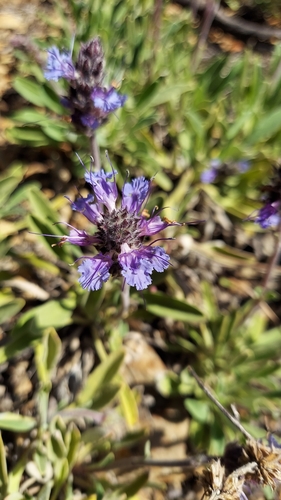
Apr-Jun · blue-violet
Evergreen
Resistant
Friendly
Yes
Prized
Leaves used as culinary and medicinal herb; aromatic seasoning
California Coast Ranges from Napa to San Luis Obispo
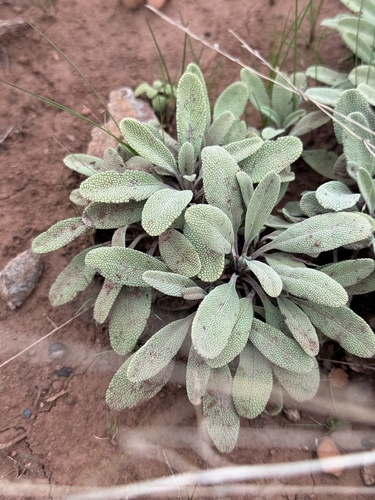
Spikes of blue-violet flowers on creeping aromatic mats
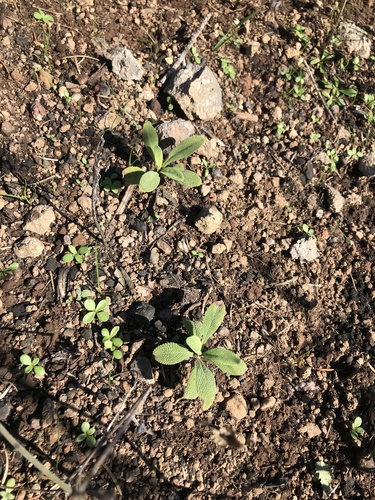
Low aromatic groundcover; excellent bank cover; 'Dara's Choice' cultivar
Care Guide
Planting
Plant Creeping Sage in fall or winter in well-drained soil with medium drainage - it tolerates rocky, poor soil and even serpentine soil, so amending isn't necessary. Give it part shade rather than full sun; this native California groundcover is heat and sun sensitive, and afternoon shade will keep it happier and fuller. Space plants 15 feet apart if you're establishing a groundcover mat, though individual plants stay around 1 foot tall. Avoid planting in spots that get intense afternoon heat or direct, unfiltered sun exposure.
After Planting
Water weekly during your first summer to establish a strong root system, then taper to once or twice monthly by fall - once established, it needs no more than 3 times per month even in summer. The number-one mistake is overwatering or planting in full sun; both cause leaf drop and decline. After the first year, let rainfall do most of the work and only water during Bay Area dry spells. Prune lightly in early spring if needed to maintain shape, but this mat-forming subshrub requires minimal maintenance once settled in.
Endangered & Threatened Species Supported
California Species of Special Concern; monarch populations declining
Wildlife Supported
Birds

Primary nectar source during Apr-Jun bloom; critical for breeding season energy demands

Early spring migration fuel source (Apr-May) during northbound passage
Insects

Specialist pollen forager during Apr-Jun bloom; larval provisions

Forages extensively during Apr-Jun bloom period for nectar and pollen

Year-round presence with spring breeding; uses nectar during Apr-Jun bloom

Spring-early summer forager on available flowering plants

Predatory fly attracted to flowers during bloom season for nectar and hunting

Larvae feed on milkweed species; adults use Salvia as nectar source during spring migration and fall breeding

Spring migrant and breeder; nectar source during bloom season

Early spring forager; collects pollen for brood provisioning Apr-May
+1 more species