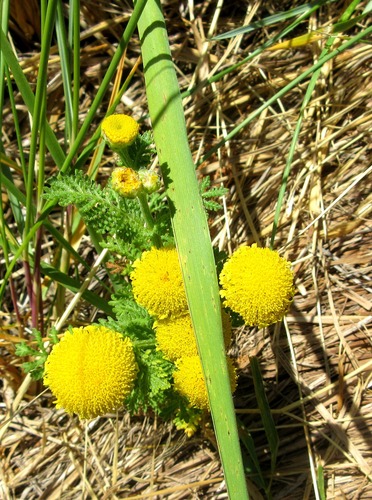
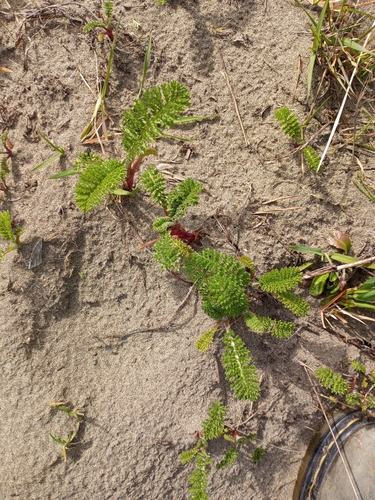
Dune Tansy
Tanacetum camphoratum
Care
full sun
low
well-drained, sandy or gravelly soil
1–2ft tall , 2–3ft wide
Jul-Sep
Deciduous
Resistant
Friendly
Yes
Coastal dunes of central and southern California from Santa Cruz County to Santa Barbara County, below 500 ft elevation.
Care Guide
Planting
Plant Dune Tansy in full sun with well-drained, sandy or gravelly soil - it's not fussy about soil type but absolutely needs good drainage to thrive. Plant in fall or early spring when the plant is dormant. This low-growing shrub (1.5–2.5 feet tall) works well in native plant gardens and is extremely deer resistant, so you can plant it confidently without protection.
After Planting
Water weekly during your first summer to establish the plant, then transition to a low-water maintenance schedule once established. Dune Tansy is deciduous, so expect it to go fully dormant and leafless in winter - this is normal and not a sign of trouble. The biggest mistake people make is overwatering; this plant evolved for sandy, dry conditions, so if the soil stays wet, the roots will rot. Minimal pruning is needed; just remove any dead wood in early spring.
Endangered & Threatened Species Supported
Endemic to California, threatened by habitat loss and climate change
Wildlife Supported
Insects

larvae feed on developing flower buds and foliage in spring months

adults feed on pollen during flowering period

forages on tansy flowers when blooming in mid to late summer

visits flowering plants for pollen collection during active foraging season
Mammals

collects and consumes dune plant material including tansy leaves

browses on herbaceous foliage including tansy in dune scrub habitat