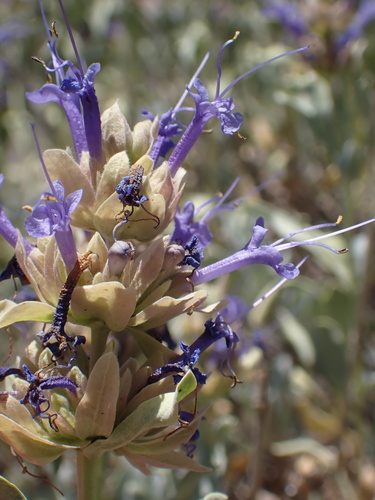
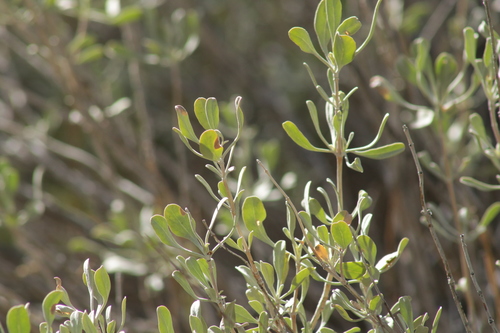
Rose Sage
Salvia pachyphylla
Care
full sun, part shade
low
Fast; Prefers sandy or gravelly soils.
1–3ft tall
Jan-Dec
Resistant
Friendly
Yes
Prized
Transverse Ranges and Peninsular Ranges of southern California from San Luis Obispo County to San Diego County, 1000-4000 ft elevation, in chaparral.
Care Guide
Planting
Plant Rose Sage in full sun in a location with fast-draining soil - sandy or gravelly soil is ideal, so amend heavy Bay Area clay with coarse sand or perlite if needed. Space plants 1 to 2 feet apart since they stay compact. Fall through early spring is the best planting window in the Bay Area to let roots establish before summer heat.
After Planting
Water weekly during your first summer to help the plant establish, then taper off to low water by year two - this is a drought-tolerant native that prefers dry conditions once settled. Prune lightly after flowering (late summer) to maintain shape and encourage bushiness. The #1 mistake is overwatering; Rose Sage comes from high-elevation dry rocky slopes and will suffer in soggy soil, so err on the side of dry rather than wet.
Wildlife Supported
Birds

Year-round resident in California; primary nectar source especially during winter breeding season Dec-May
Insects

Caterpillars feed on plant foliage; multiple broods Mar-Oct in California

Caterpillars utilize plant foliage; multiple generations Apr-Nov
Caterpillars feed on plant foliage; active Mar-Jun in California

Caterpillars feed on foliage; migratory species with populations Mar-Oct