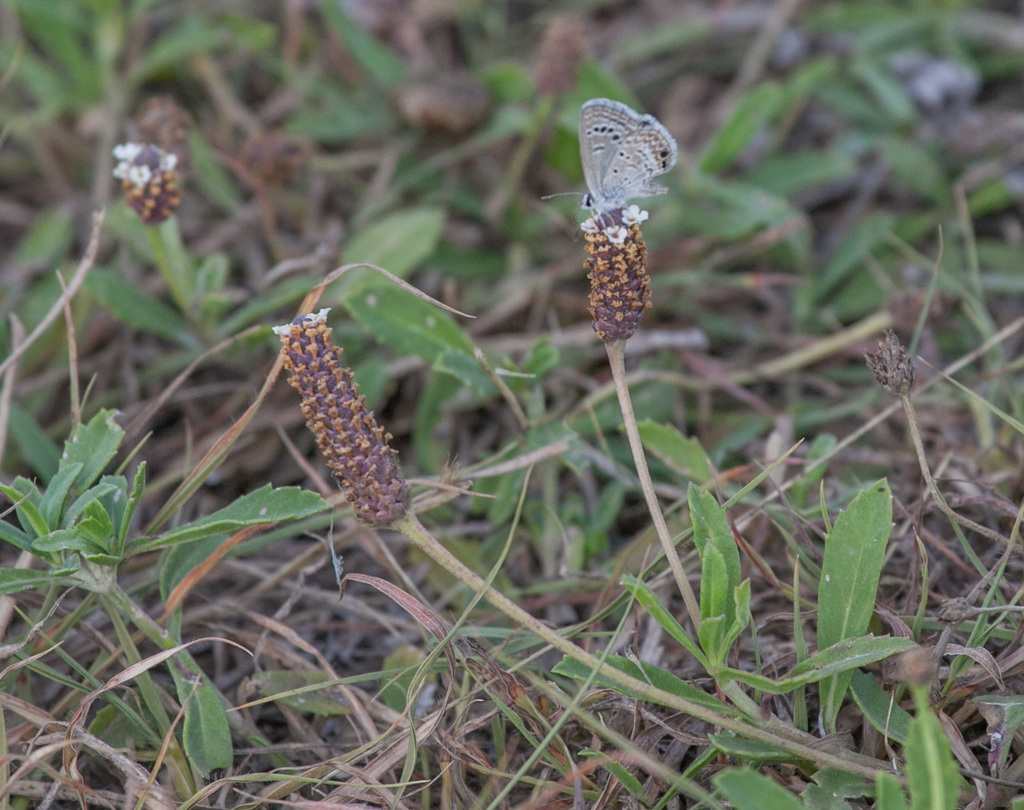
Lippia
Phyla nodiflora
Care
full sun
low
adaptable; tolerates clay, poor drainage, and alkaline soil
0–0ft tall , 2–6ft wide
Apr-Oct · white, pink
Semi-Deciduous
Resistant
Friendly
California and throughout warm North and South America
Tiny round heads of white to pink flowers on creeping stems
Excellent lawn alternative; tolerates foot traffic; very fast spreading
Care Guide
Planting
Plant lippia in full sun where it will form dense, low-growing mats. It's highly adaptable to Bay Area soils - sand, loam, and clay all work fine, and it even tolerates poor drainage and alkaline soil. Space plants a few inches apart if filling a bed, or establish from stolons (runners). Spring is the ideal planting time to let it establish through the warm months.
After Planting
Water deeply about every two weeks during your first summer to help it establish, then you can taper off as it becomes drought-tolerant. Don't be alarmed if it goes semi-dormant in winter - this is normal. The #1 mistake is overwatering once it's established; lippia is built for neglect and actually thrives on occasional deep watering rather than frequent shallow watering. It requires almost no mowing or pruning and will outcompete weeds on its own once it fills in, usually by year two.
Wildlife Supported
Insects
Host plant for larval development; multi-generational
Multi-brooded species; larval host plant for multiple generations Apr-Oct
Primary host plant; supports multiple generations Apr-Oct
Primary nectar and pollen source during Apr-Oct bloom season
Primary host plant for larval development; sustained breeding season
Larval host plant; supports year-round populations in California
Host plant for larval stage; supports multiple generations
Host plant for multiple broods; year-round activity in southern California
+6 more species