← Back to results

Mexican Rush

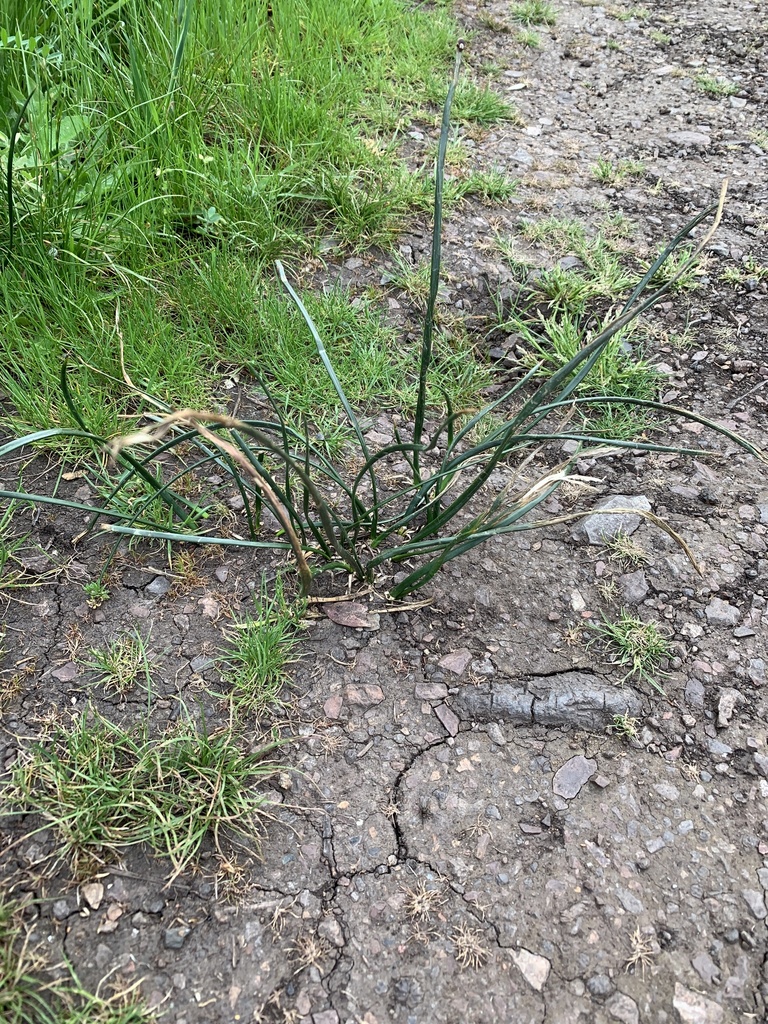
Juncus mexicanus

Care

Sun

part shade

Water

moderate

Soil

Slow, Standing; Tolerates any soil as long as adequate moisture is present.

Size

0–2ft tall

Bloom

Mar-May

Foliage

Deciduous

Container

Friendly

Native Range

Wet meadows and riparian areas throughout California mountains and valleys, typically 2000-8000 ft elevation.

Care Guide

Planting

Plant Mexican Rush in partial shade in a location where soil stays consistently moist or even wet - this plant thrives in boggy conditions and can tolerate standing water. It grows in any soil type as long as adequate moisture is present, so don't worry about amending for drainage; instead, choose a spot that naturally stays damp, such as near a rain garden, pond edge, or low area that collects water. Plant in spring before the growing season begins. Space plants according to their mature size, which ranges from 1 to 2.5 feet tall depending on growing conditions.

After Planting

Water consistently to keep soil moist throughout the growing season and especially during summer - this is the #1 requirement for success, as Mexican Rush is adapted to saturated conditions and will struggle if allowed to dry out. Expect flowers to appear in spring (March–May). The plant is deciduous and will die back in winter; leave the dried stems standing for structure and wildlife habitat until early spring, then cut them down before new growth emerges. Once established, Mexican Rush requires minimal intervention beyond maintaining consistent moisture; it tolerates cold to 15°F, so it will reliably return each year in the Bay Area.

Visit Calscape for more information about Mexican Rush

Wildlife Supported

Birds

Foliage · Year-Round

Year-round resident in California wetlands, dense rush beds provide cover

Foliage · Fall

Critical winter staging areas in California wetlands, Oct-Mar

hig Mallard
Foliage · Year-Round

Primary food source in wetland habitats where Mexican Rush occurs

Seeds · Winter

Winter irregular visitor, seeds as emergency food source Dec-Feb

Seeds · Fall

Fall migration stopover, seed consumption and cover in rush marshes

Insects

Foliage · Summer

Larvae feed on submerged rush tissues Jun-Aug in wetlands

Foliage · Spring

Sap-feeding specialist on Juncus species, spring population buildup

Mammals

Foliage · Spring

Young tender growth preferred in spring, invasive grazer in California wetlands

Where to Buy

Oaktown Native Plant Nursery

702 Channing Way, Berkeley

Wed-Sun 10am-5pm

1.0 mi (510) 387-9744 Website