Common Rush
Juncus patens
Care
full sun, part shade
moderate
moist to wet; clay tolerant; seasonal flooding
1–3ft tall , 1–2ft wide
May-Jul · brown
Evergreen
Resistant
Friendly
Coastal California from Oregon to Baja California
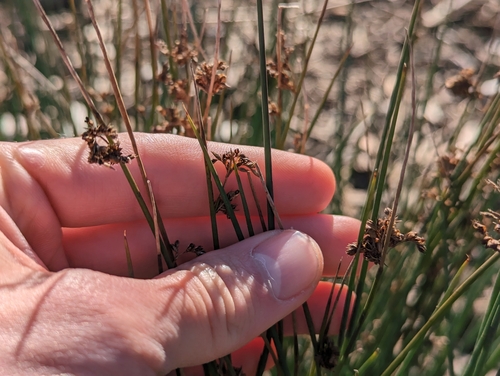
Tiny brown flowers in lateral clusters on smooth round stems
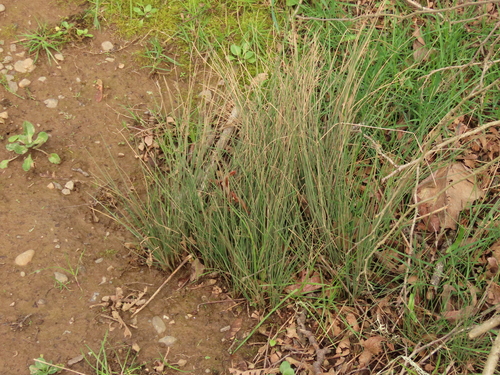
Blue-gray architectural stems; great near water features; 'Elk Blue' cultivar
Care Guide
Planting
Plant Common Rush in full sun to part shade in soil that stays moist to wet - it actually thrives in clay and tolerates seasonal flooding, so don't worry about perfect drainage. Space plants to allow for their slow spreading habit over time. Plant in spring or fall for best establishment, and pair it with low-growing groundcovers if you're using it in a lawn replacement scheme.
After Planting
Water weekly through your first summer to help it establish, then back off significantly once established - mature plants need just one watering per month or less once summer arrives. Year one, expect steady upright growth with wire-like gray-green stems; the plant is evergreen so it'll keep its structure through winter. The biggest mistake is overwatering in summer after the first year; this tough native is drought-tolerant once established, so let it dry out between waterings.
Endangered & Threatened Species Supported
Listed under federal ESA and CESA; Highly threatened species with very limited range
California Clapper Rail; federally and state endangered
California least tern subspecies; federally and state endangered
Listed under ESA and CESA
Tricolored blackbird; California-listed as threatened
Wildlife Supported
Amphibians

Critical breeding habitat April-June; dense rush beds provide egg-laying substrate and tadpole refuge

Emergent vegetation refuge for adults; breeding chorus habitat May-August

Breeding habitat February-May; tadpole rearing in shallow rush-lined pools
Birds

Dense cover for foraging and nesting March-September; critical refuge from predators

Primary nesting material March-July; constructs woven cup nests within emergent vegetation

Nesting habitat May-August; colonizes rush margins at coastal wetlands

Emergent vegetation nesting April-June; colonial nester in dense rush stands
Dense marsh nesting substrate April-June at coastal California colonies

Nesting material and roost habitat; foraging substrate in shallow water March-October