← Back to results

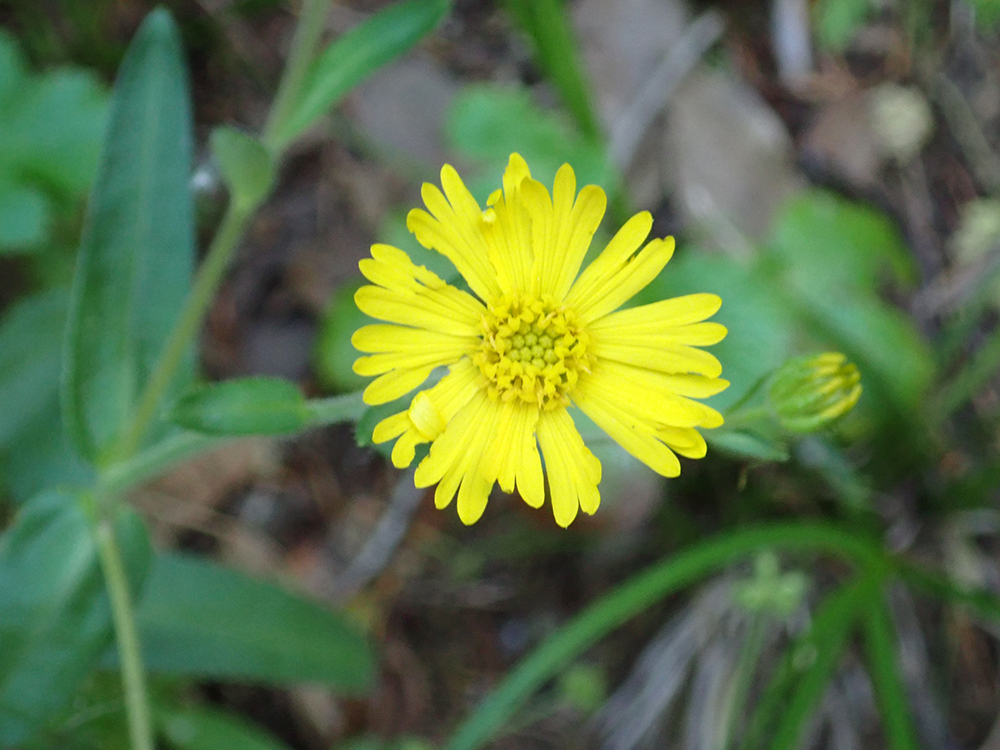
Woodland Madia

Anisocarpus madioides

perennial herb View on Calscape

Care

Sun

part shade

Water

very low

Soil

Fast, Medium

Size

2–2ft tall

Bloom

Mar-Aug

Foliage

Deciduous

Container

Friendly

Flowers

Prized

Native Range

Central Valley and adjacent foothills from Butte County to San Luis Obispo County, below 2000 ft in grassland and oak savanna.

Care Guide

Planting

Plant Woodland Madia in part shade with fast-draining or medium-draining soil - it's native to forest and woodland habitats, so it prefers conditions similar to dappled shade under trees rather than full sun or deep shade. Plant in fall or early spring to let the root system establish before summer. Space plants about 2 feet apart since they grow to 2 feet tall.

After Planting

Water moderately during the first growing season to help establish roots, then cut back to very low water once established - aim for no more than twice a month in summer. In fall, cut back dead flower stalks, but leave them standing through seed set first if you want the plant to self-sow (though it won't spread aggressively). Year 1 is typically easy: expect yellow spring flowers and a deciduous plant that will die back in winter, which is completely normal.

Visit Calscape for more information about Woodland Madia

Wildlife Supported

Insects

Larval Host · Spring

documented larval host plant; caterpillars feed on foliage during spring-summer

Foliage · Spring

larval host plant for spring broods

Foliage · Spring

larval food plant during spring emergence

mod Hover Fly
Foliage · Summer

larvae feed on plant tissues during summer growth

Foliage · Year-Round

fungal pathogen; ecological role in plant disease dynamics

Foliage · Summer

larval host plant during active growing season

Where to Buy

Oaktown Native Plant Nursery

702 Channing Way, Berkeley

Wed-Sun 10am-5pm

1.0 mi (510) 387-9744 Website