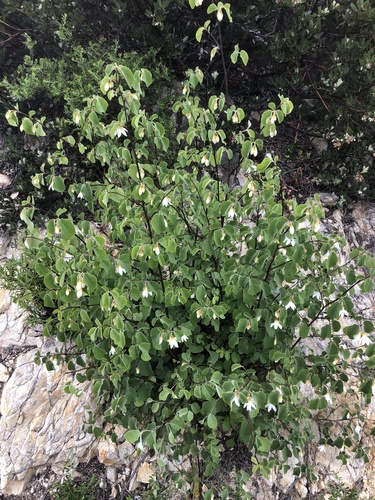
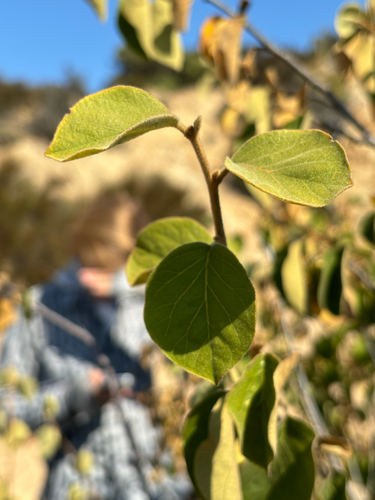
Snowdrop Bush
Styrax redivivus
Care
full sun, part shade
low
Fast, Medium, Slow; Tolerant of a variety of garden soils as long as sufficient moisture is available.
3–13ft tall
Mar-May
Resistant
Yes
Prized
Sierra Nevada foothills and Coast Ranges from Butte County to Kern County, typically 1500-4000 ft elevation in oak woodland and chaparral.
Care Guide
Planting
Plant your Snowdrop Bush in full sun to part shade in a location with well-draining soil. This California native is tolerant of a variety of soil types - from fast to slow draining - as long as the soil retains sufficient moisture; avoid planting in completely dry locations. Space according to the mature size you want (3-13 feet tall), keeping in mind this plant's variable growth habit. Plant in fall or early winter to take advantage of California's rainy season for establishment.
After Planting
Water regularly during your plant's first growing season to establish a deep root system, then transition to a low-water maintenance schedule once established. This plant's main requirement is consistent moisture availability during establishment, so don't let it completely dry out in that first year. Snowdrop Bush blooms in spring (March-May), so avoid heavy pruning right before flowering; prune after bloom if needed. The #1 mistake is planting it in a spot that's too dry and then not watering enough in year one - this plant needs that initial moisture support to succeed in Bay Area gardens.
Wildlife Supported
Birds

Year-round California resident; utilizes Styrax nectar especially during breeding season Feb-June

Spring and fall migrant; critical nectar source during both northbound (Feb-April) and southbound (July-Sept) migrations

Migrant hummingbird utilizing Styrax flowers as migration fuel and breeding season resource April-August
Insects

Multiple generations utilize Styrax species as larval host plants April-September

Known to utilize Styrax genus as alternate larval host in chaparral ecosystems