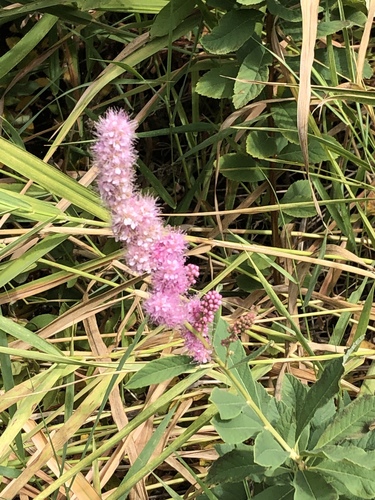
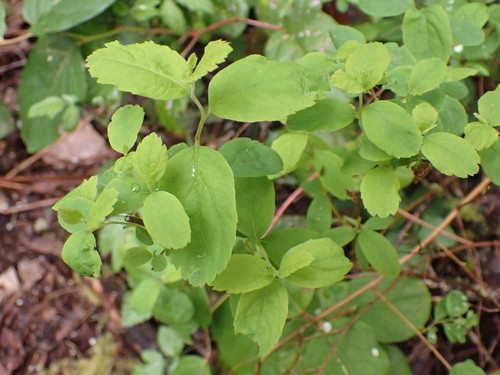
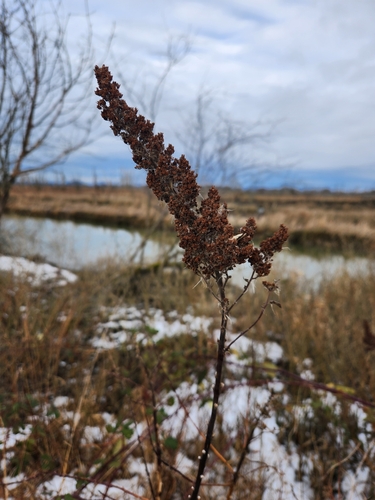
Douglas's Spiraea
Spiraea douglasii
Care
part shade, full sun
moderate
Fast, Medium, Slow; Prefers sandy or loamy soils. Does not grow well in clay soils.
5–7ft tall , 3–4ft wide
Jun-Aug
Deciduous
Prized
Moist riparian and wetland areas of northwestern California from Del Norte to Mendocino Counties, below 2000 ft elevation, in coastal scrub and redwood forest margins, extending to Oregon and Washington.
Care Guide
Planting
Plant Douglas's Spiraea in full sun or partial shade in a location with fast to medium drainage - avoid heavy clay soils, which this plant struggles in. Sandy or loamy soil is ideal. The best time to plant is during the dormant season (fall through early spring) when the plant is leafless. Space plants according to their mature width of 5-7 feet, as they grow moderately fast and will fill in quickly.
After Planting
Water regularly during your first summer to keep the soil moist while the plant establishes itself. Once established, Douglas's Spiraea needs only moderate water, though you should keep it moist during summer months. The plant is deciduous and will drop its leaves in winter - this is normal. Prune after flowering (late summer) to maintain shape and encourage next year's blooms, and avoid the common mistake of overwatering in clay-heavy soil, which will cause root problems even though this plant is otherwise easy to care for.
Endangered & Threatened Species Supported
Listed due to habitat loss and decline in alkali wetlands
Wildlife Supported
Insects

Fungal pathogen; species-specific to Douglas's spiraea

Spring-active bee; important early pollen source for nest provisioning

Primary or alternate larval host plant for multiple broods per season

Ground-nesting bee; pollen source for larval provisions

Caterpillar host plant; larval development on foliage

Larval host plant; caterpillars feed on foliage

Flower visitor during blooming period